A Special Family Thanksgiving at Barre’s Rice Village in 1908
I board the train with a sense of great anticipation in New York City and head northeast for the small market town of Barre in Massachusetts. I have spent the past few summers in that place, more specifically in the hamlet called Rice Village, two miles north of the town Common, but I have never enjoyed a traditional New England Thanksgiving dinner. In a few days I shall do just that. This is also my first adventure traveling as a young woman of 15 years on my own. I will meet my grandmother at Rice Village later today. She is Sarah Adeline (Lovell) McKinlay, with whom I make my home in New York City, along with my grandfather, mother and brother. Father died when I was quite young. My mother, Minnehaha Lovell (McKinlay) Smith, is a busy lawyer and cannot get away from New York City for this week’s festivities. She allowed me to travel alone to join Grandmother in Barre.
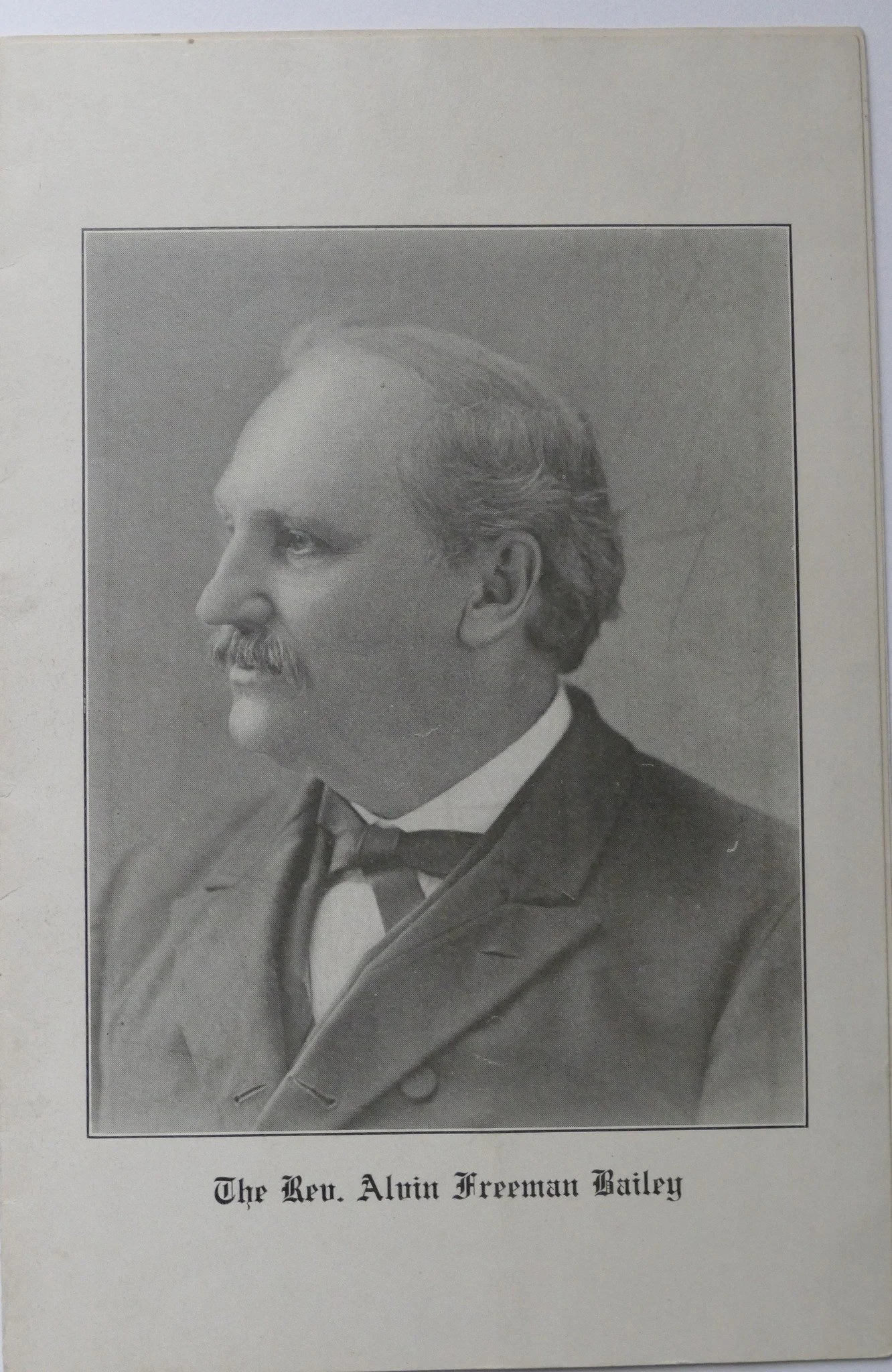
This year is special. Not only will we have Thanksgiving dinner at Rice Village, but Rev. Alvin Freeman Bailey, who is retiring as the Minister of Barre’s Unitarian Church after 30 years, will baptize his four-month-old grandson, James Bailey Rice, on Thanksgiving Day. And two days prior to that, a grand reception will be held to honor Rev. Bailey’s service to his church and town. His daughter, Bertha Bailey, married James Allen Rice a couple of years ago and now they have little James Bailey Rice in need of baptism. Another of the reverend’s daughters, Mary Bailey, married my uncle, James Buel McKinlay, so this is an opportunity to see many relatives. I hope I can keep them all straight.
Now the train is departing the concrete canyons of my native New York City and heading north. I will spend more than six hours on this train, and I wish I could chat with other passengers, but that would be inappropriate. I can speculate about them, however, and I wonder if any are going to Barre, Massachusetts? I doubt it.
As the scenery becomes more rural, my excitement about the upcoming festivities in Barre and Rice Village grows.
My Great-grandmother Adeline (Bassett) Lovell was a daughter of Isaac and Sarah (Phinney) Babbitt, who moved to Barre about 1809 and settled on Hawes Hill, which crawls up the slope behind Rice Village. On Hawes Hill the air is cool and dry as it is the highest point in Barre, at 1,270 feet in elevation. The Babbitt, Hawes, and Rice families have lived in close association in Rice Village and on the surrounding farms for generations. In the past, many were farmers, while others were carpenters and wagon builders. Some served in the American Revolutionary War or Civil War. The children grow up together and attend the Rice Village one-room school; many later marry their childhood sweethearts. In 1900, Grandmother Adeline (Lovell) McKinlay bought the house on Hawes Hill that her grandfather Isaac Babbit purchased when he moved to Barre. The property had become quite rundown, but Grandmother had a plan. It was originally a one-story Cape Cod style house. Rather than build a second story, Grandmother raised the house up and had a first story constructed underneath! It is now our summer place. Before she completed those renovations, we spent idyllic summer days at the Hotel Barre in the center of town. It is lovely there, but I prefer the high, rough land of Hawes Hill and wouldn’t trade carefree summers there for the world.
In Palmer, I change to a train of the Ware River Branch of the B&A, and immediately I feel I am almost at my destination. The other passengers all seem to know one another and good-natured banter fills the car.
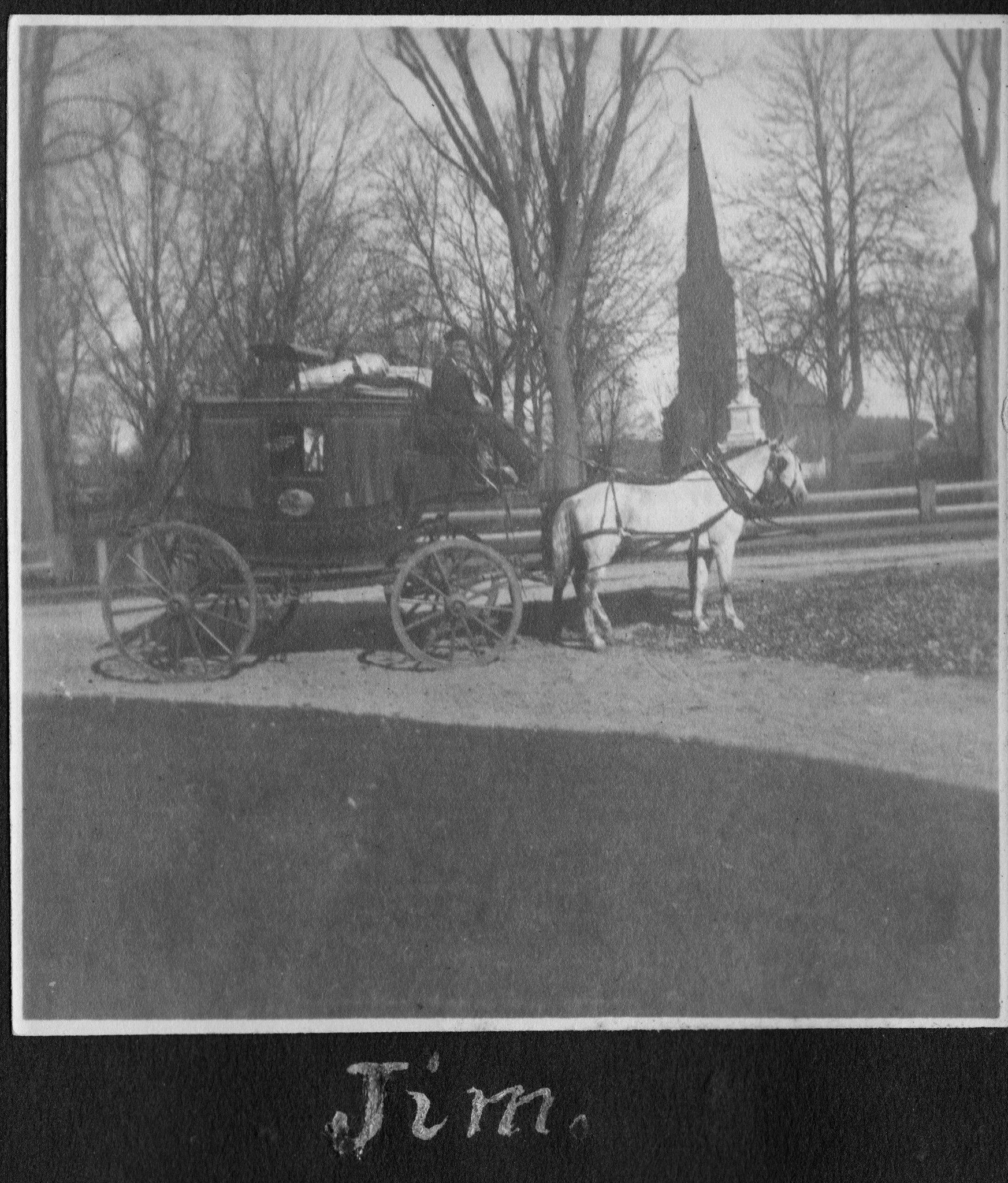
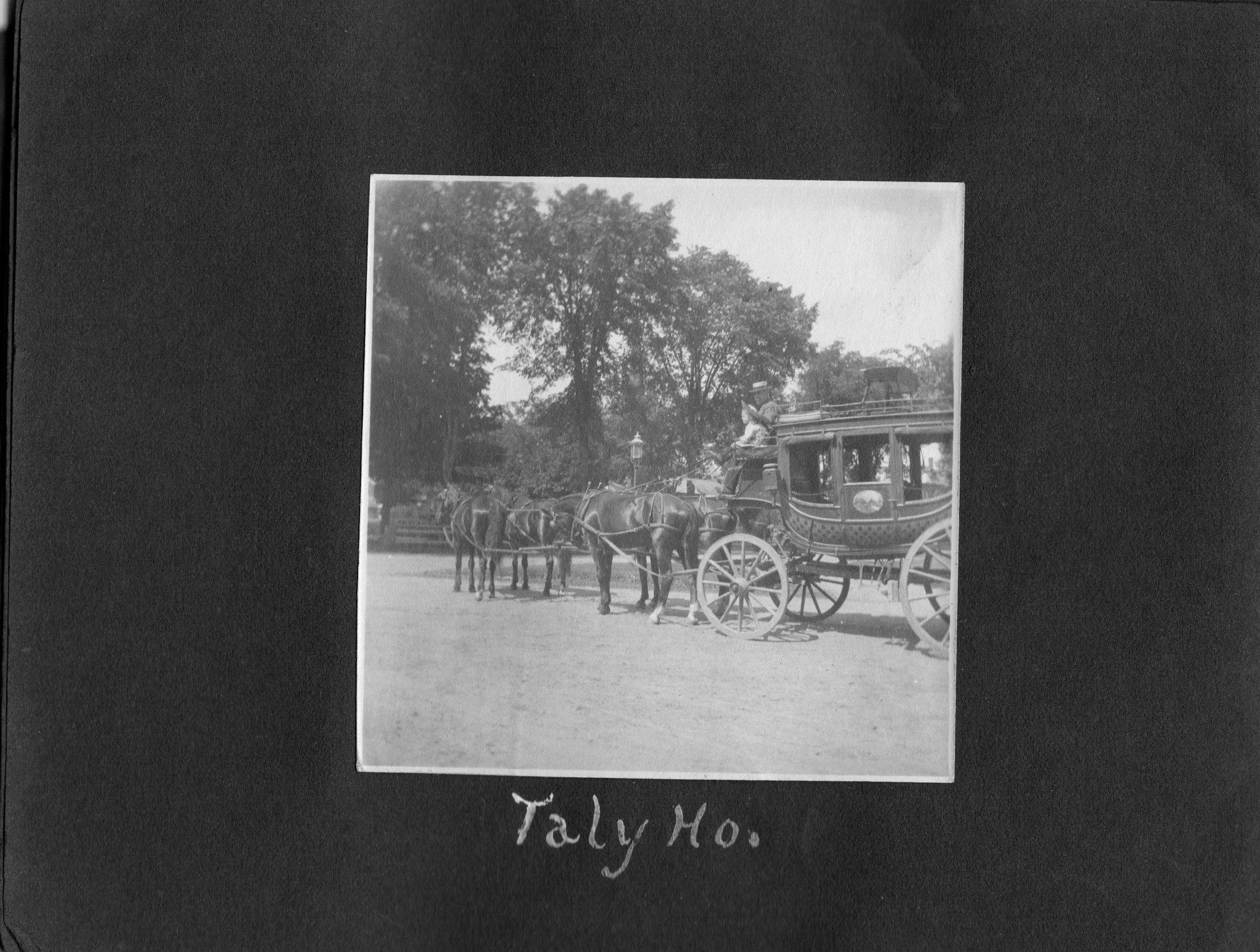
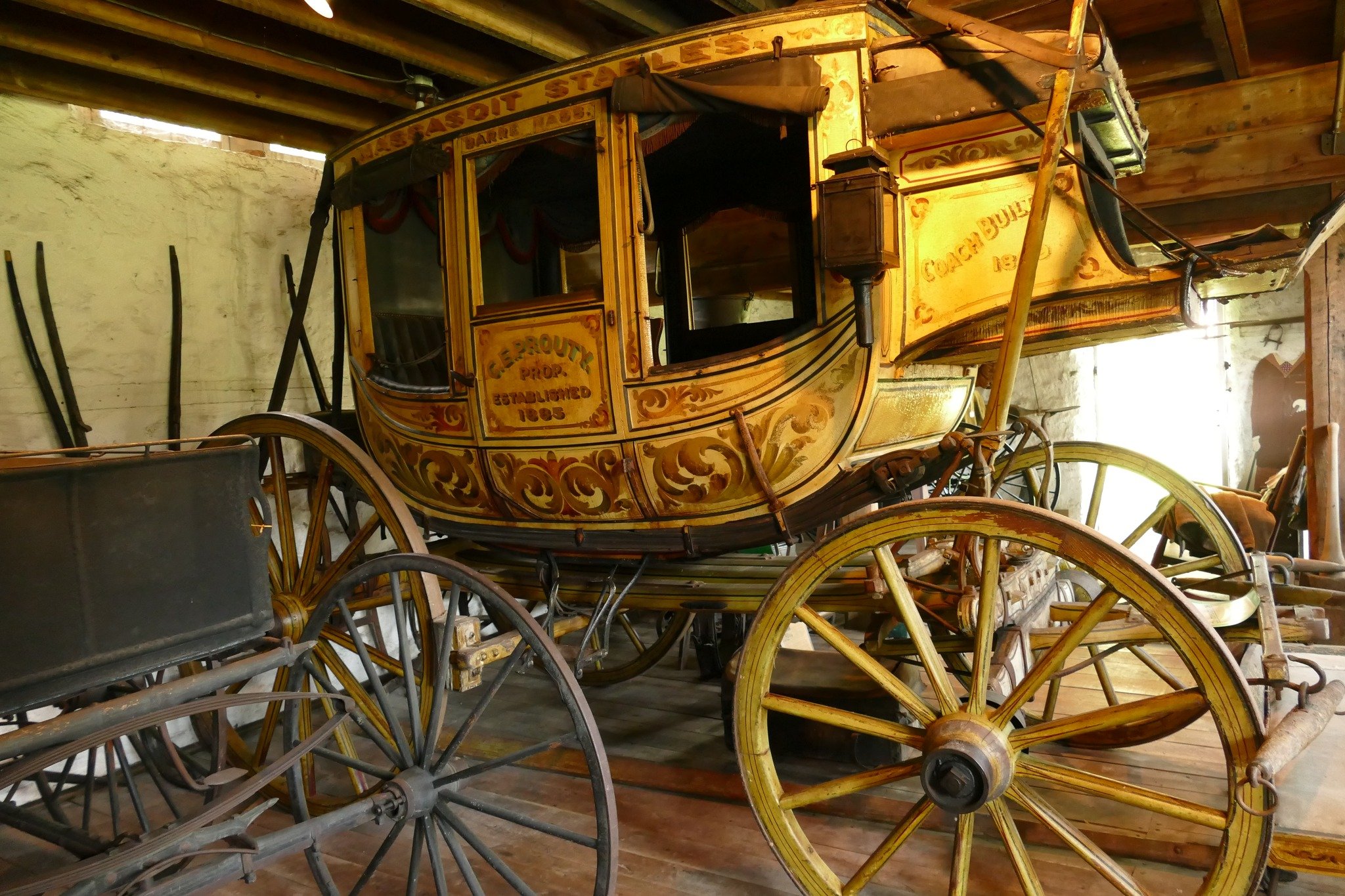
I will get off the train at the Barre Station, which is next to a place called Powder Mill Pond on the Ware River. I have heard stories of the difficulties travelling to Barre in the days before trains reached here more than 30 years ago. Being able to get to Barre from New York City by train is a great convenience, but the Barre Station is three miles from the Center of Barre, and from there it is another two miles to Rice Village. Barre Center sits on a hill to which the railroads refused to lay tracks, so it remains a place that is still served by an old-fashioned stagecoach. Can you imagine that! The stagecoach driver is my grandmother’s cousin, Alfred L. Babbitt, one of the few old-time stage drivers from the old days. He drives the stagecoach from Prouty’s Livery on Barre Common to meet every train that arrives at Barre Station, and he has never failed to meet a train on time! I would love to scramble up to ride with him on the driver’s seat, but that would be too childish for a 15-year-old almost-woman traveling on her own.
We are in Barre at last! I am thrilled to see the old Concord Stagecoach with “Prouty Livery” emblazoned on its flank. There is Cousin Alfred, smiling down at me. Several others who were on the Palmer train joined me in the carriage for the ride up the long hill to the center of town. It is a long, gradual climb of three miles to Barre Common. There Cousin Alfred stops at Prouty’s Livery, which is attached to the Massasoit Hotel, a rambling old place, not nearly as fancy as the Hotel Barre. The other passengers go their own ways. My grandmother has arranged for Cousin Alfred to bring me to the Rice farm in Rice Village upon my arrival in town, so I take advantage of the time it takes him to unharness the stagecoach, put it in the barn, and harness the wagon by which he will deliver me to Rice Village, to look around Barre Common.
Oh, how the sight of the old-fashioned town center fills my heart with nostalgia. Where else could I go in 1908 and see not one motor car? Where else do boys and girls my age scuff freely on the dirt roads in their bare feet, not seeming to notice that they are wearing no shoes? I have always loved the old-fashioned hitching posts, each iron column capped with a handsome horse’s head, its nose pierced with a hoop for hitching your reins. It seems that people live long lives here, as many old men with long beards walk by. Grandmother’s Uncle Pliny H. Babbitt just died last month at the age of 90 years and four months, and his friend George Harwood turns 100 next year.
Cousin Alfred is ready to take me to Rice Village now. Although Barre Common sits at almost 1,000 feet elevation, we will gain another 200 feet before we reach the James A. Rice farm just past Rice Village. It doesn’t seem like much, but those 200 feet often mean the difference between rainfall on the Common and snowfall at Rice Village. Cousin Alfred maintains a running commentary as the horse brings us closer to the James A. Rice farm. About one quarter mile north of Barre Common, Cousin Alfred points out the home of Rev. Bailey. It was once the home of Theodotia (Ruggles) Twichell, the wife of famed stagecoach driver Ginery Twichell. I latch onto every word that Cousin Alfred utters. There, on the right, is Lincoln Cemetery.
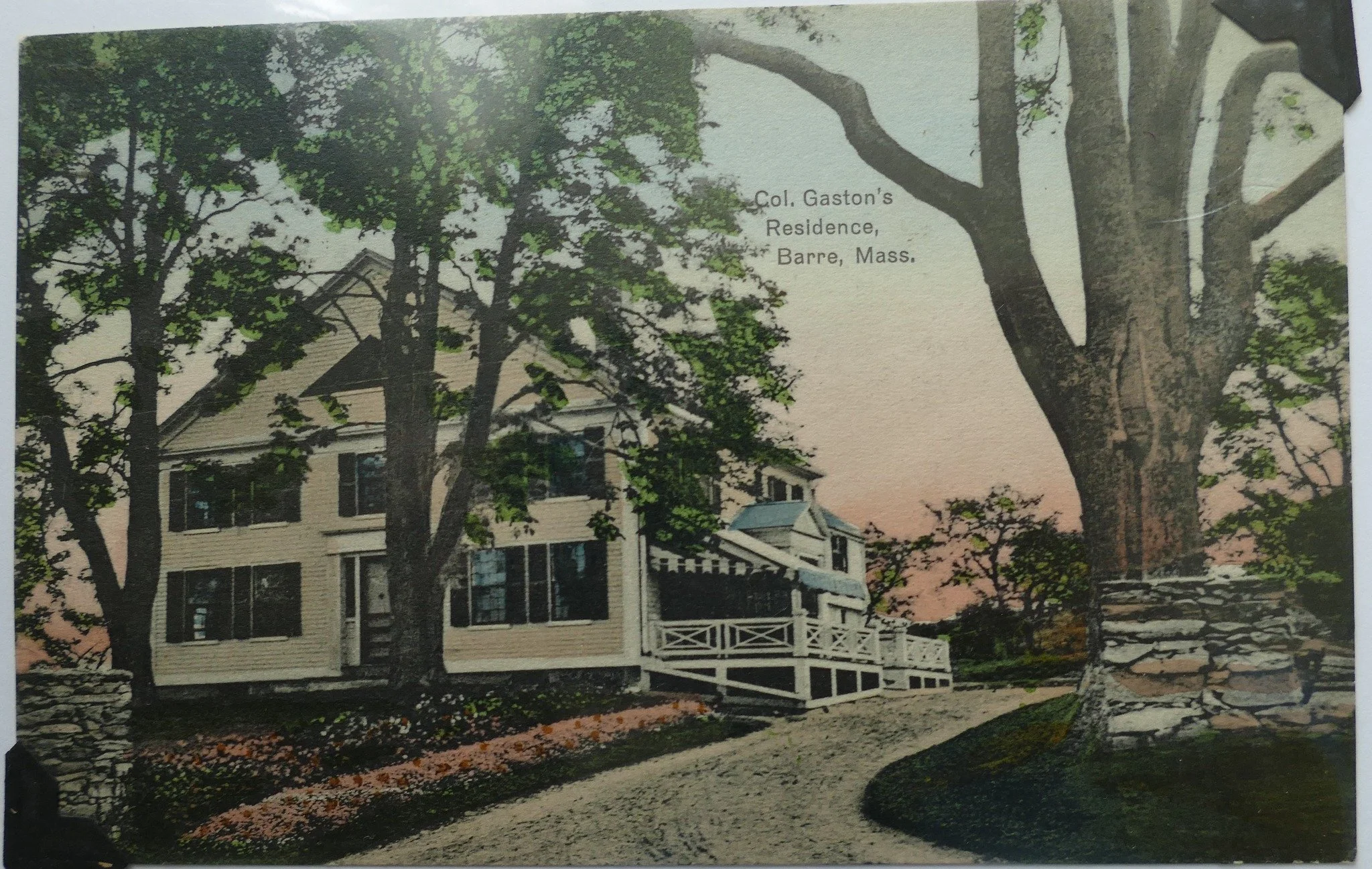
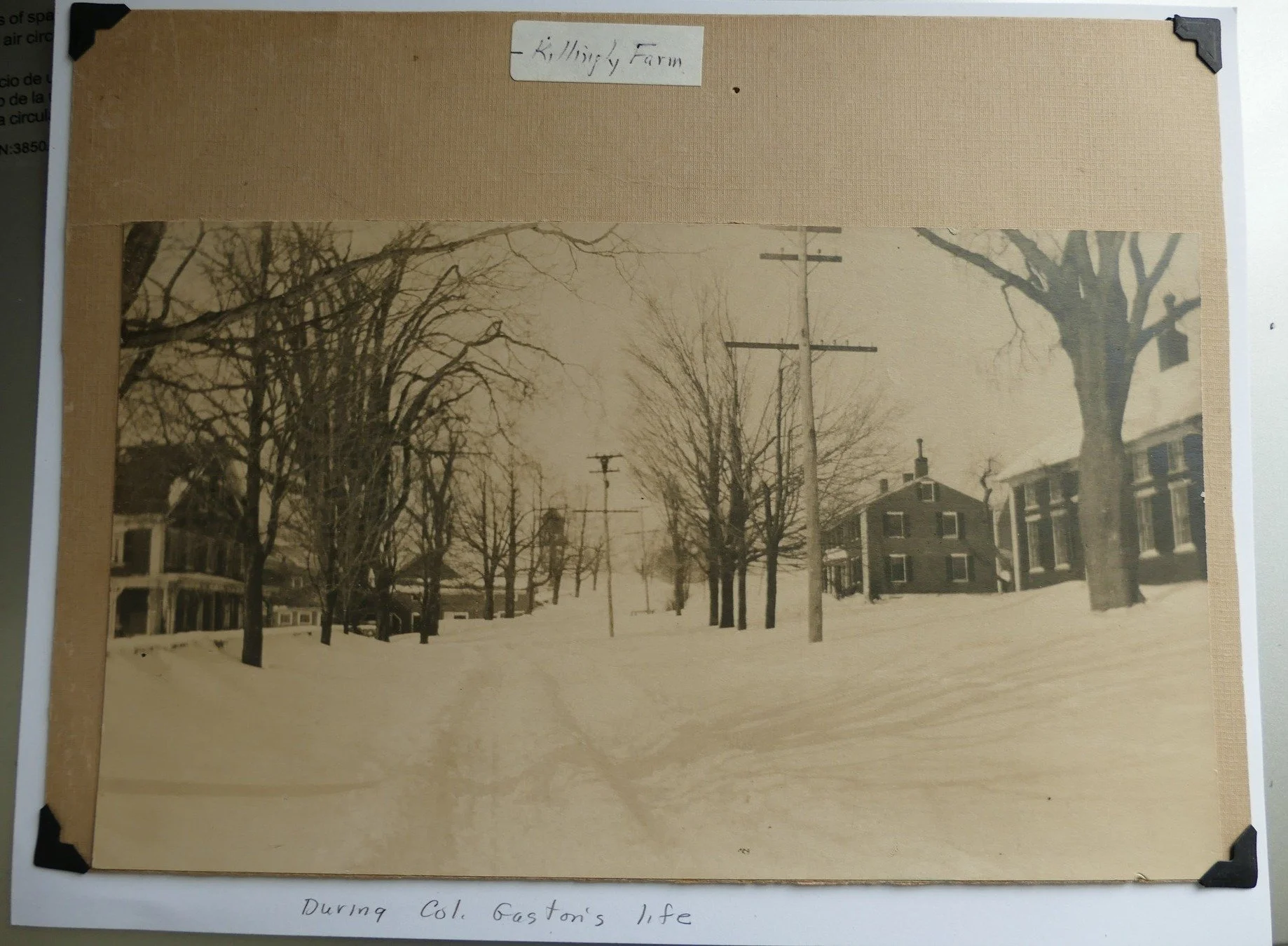
The horse stops to drink from the trough at the foot of “Swan Hill” opposite the Reservoir, then we pass Lover’s Lane, and on up the hill. Then Cousin Alfred points out the impressive old mansion of the late Charles Rice. He had stunning news. The grand old house containing 20 rooms was recently sold to a wealthy Bostonian named Col. William A. Gaston, whose father was once Governor of Massachusetts. Col. Gaston also bought the pond and 120 acres of land. Although the mansion looks grand to me, Gaston already has carpenters swarming over the building to update it. Cousin Alfred tells me a tale of how Charles Rice, the wagon builder, purchased the house decades ago and wanted to remove two huge horse chestnut trees from the front yard, which blocked his view. He offered to give the best wagon he could build the man capable of removing the trees without damaging the house, but no one took him up on the offer.
This beautiful property was sold to Col. Gaston by my host for the week, James A. Rice, and Cousin Alfred indicates that more sales to him are in the offing. I feel a twinge of fear; what will happen to my beloved Rice Village? Will it be modernized and change beyond recognition?
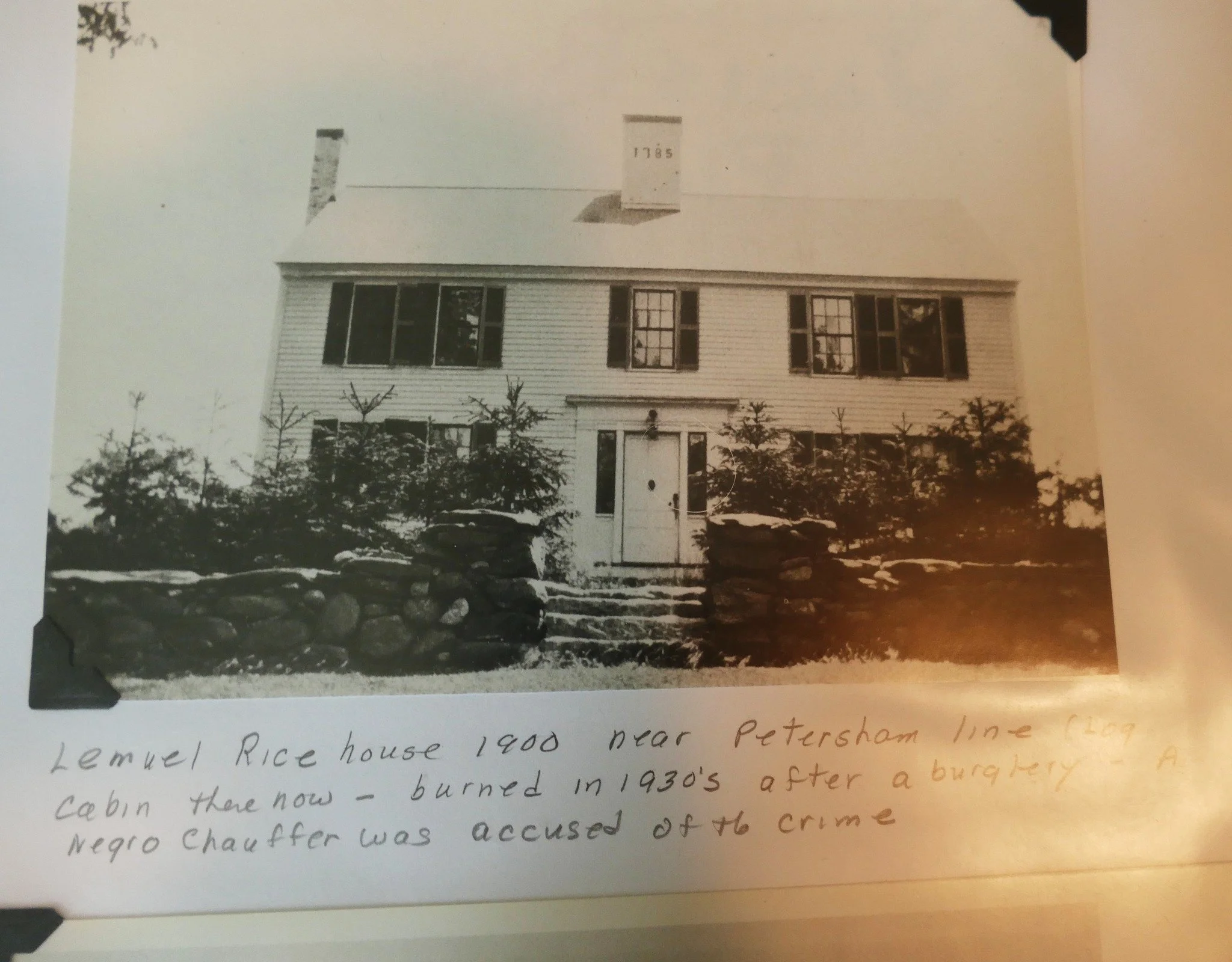
Finally we are at the farm that straddles the Barre-Petersham town line. Grandmother is very happy to see me. It is a lovely old New England Colonial style home with 15 gracious rooms, so I will be comfortable here. I bid Cousin Alfred a fond farewell. I am grateful for a chance to move around after so many hours of sitting. Soon I am involved in the hustle and bustle of preparing for Rev. Bailey’s farewell reception and Thanksgiving Dinner.
The reception is very well attended and I feel honored to be connected to the family of Rev. Alvin Freeman Bailey. He served the people of Barre for 30 years before recently retiring, and people of all faiths attend the reception, telling stories of how Rev. Bailey helped them.
When I am not helping with the advance preparations for Thanksgiving Dinner and the baptism, I am allowed to “trot” the baby in his pram down the dusty dirt road to the place where Hawes Hill Road branches up the hill, where Grandmother’s summer house stands. At the intersection sits the schoolhouse, the third building to serve that purpose. I watch the children leave the school for the Thanksgiving holiday and wonder what it would be like to attend a one-room schoolhouse in the country.
Finally, it is Thanksgiving Day! Our menu is extensive. Many things were prepared well in advance, such as pickles and candy. Cooking on an old-fashioned wood stove is a new experience for me, but Grandmother is well versed and I learn from her. This is what we ate:
𝑺𝒕𝒖𝒇𝒇𝒆𝒅 𝑽𝒆𝒓𝒎𝒐𝒏𝒕 𝑻𝒖𝒓𝒌𝒆𝒚, 𝑪𝒓𝒂𝒏𝒃𝒆𝒓𝒓𝒚 𝑺𝒂𝒖𝒄𝒆, 𝑮𝒊𝒃𝒍𝒆𝒕 𝑮𝒓𝒂𝒗𝒚, 𝑪𝒉𝒊𝒄𝒌𝒆𝒏 𝑷𝒊𝒆, 𝑩𝒐𝒊𝒍𝒆𝒅 𝑷𝒐𝒕𝒂𝒕𝒐𝒆𝒔, 𝑺𝒒𝒖𝒂𝒔𝒉, 𝑻𝒖𝒓𝒏𝒊𝒑𝒔, 𝑶𝒏𝒊𝒐𝒏𝒔, 𝑪𝒆𝒍𝒆𝒓𝒚, 𝑶𝒍𝒊𝒗𝒆𝒔, 𝑷𝒊𝒄𝒄𝒂𝒍𝒊𝒍𝒍𝒊, 𝑺𝒘𝒆𝒆𝒕 𝑷𝒊𝒄𝒌𝒍𝒆𝒔, 𝑪𝒉𝒐𝒘 𝑪𝒉𝒐𝒘, 𝑩𝒐𝒊𝒍𝒆𝒅 𝑪𝒊𝒅𝒆𝒓 𝑨𝒑𝒑𝒍𝒆 𝑺𝒂𝒖𝒄𝒆, 𝑨𝒑𝒑𝒍𝒆 𝑷𝒊𝒆, 𝑴𝒊𝒏𝒄𝒆 𝑷𝒊𝒆, 𝑺𝒒𝒖𝒂𝒔𝒉 𝑷𝒊𝒆, 𝑫𝒐𝒖𝒈𝒉𝒏𝒖𝒕𝒔, 𝑷𝒍𝒖𝒎 𝑷𝒖𝒅𝒅𝒊𝒏𝒈, 𝑭𝒓𝒖𝒊𝒕 𝑪𝒂𝒌𝒆, 𝑵𝒖𝒕 𝑪𝒂𝒌𝒆, 𝑺𝒑𝒐𝒏𝒈𝒆 𝑪𝒂𝒌𝒆, 𝑵𝒖𝒕𝒔, 𝑹𝒂𝒊𝒔𝒊𝒏𝒔, 𝑯𝒐𝒎𝒆𝒎𝒂𝒅𝒆 𝑪𝒂𝒏𝒅𝒚, 𝑷𝒍𝒂𝒊𝒏 𝒂𝒏𝒅 𝑺𝒂𝒈𝒆 𝑪𝒉𝒆𝒆𝒔𝒆, 𝑨𝒑𝒑𝒍𝒆𝒔, 𝑶𝒓𝒂𝒏𝒈𝒆𝒔, 𝑮𝒓𝒂𝒑𝒆𝒔, 𝑩𝒂𝒏𝒂𝒏𝒂𝒔, 𝑻𝒆𝒂, 𝑪𝒐𝒇𝒇𝒆𝒆.
We still have an important bit of business, which is the baptism of Baby Jim by Rev. Bailey. I learn a lot more about the history of this branch of the Rice family. The baby’s ancestor, Jotham Rice, came to Barre on horseback with his three-year-old son, also named Jotham, about 1749. Through the vast wilderness from Worcester rode father and child, following blazes on trees that marked the path through the aisles of massive gray tree trunks. According to the story, they camped on the way. Father Jotham made a bed of boughs and, placing his saddle on the ground with his little boy under the saddle’s protective arch, he stayed awake at the campfire guarding against wolves and other predators. Thus came the ancestors of baby James Bailey Rice to Barre.
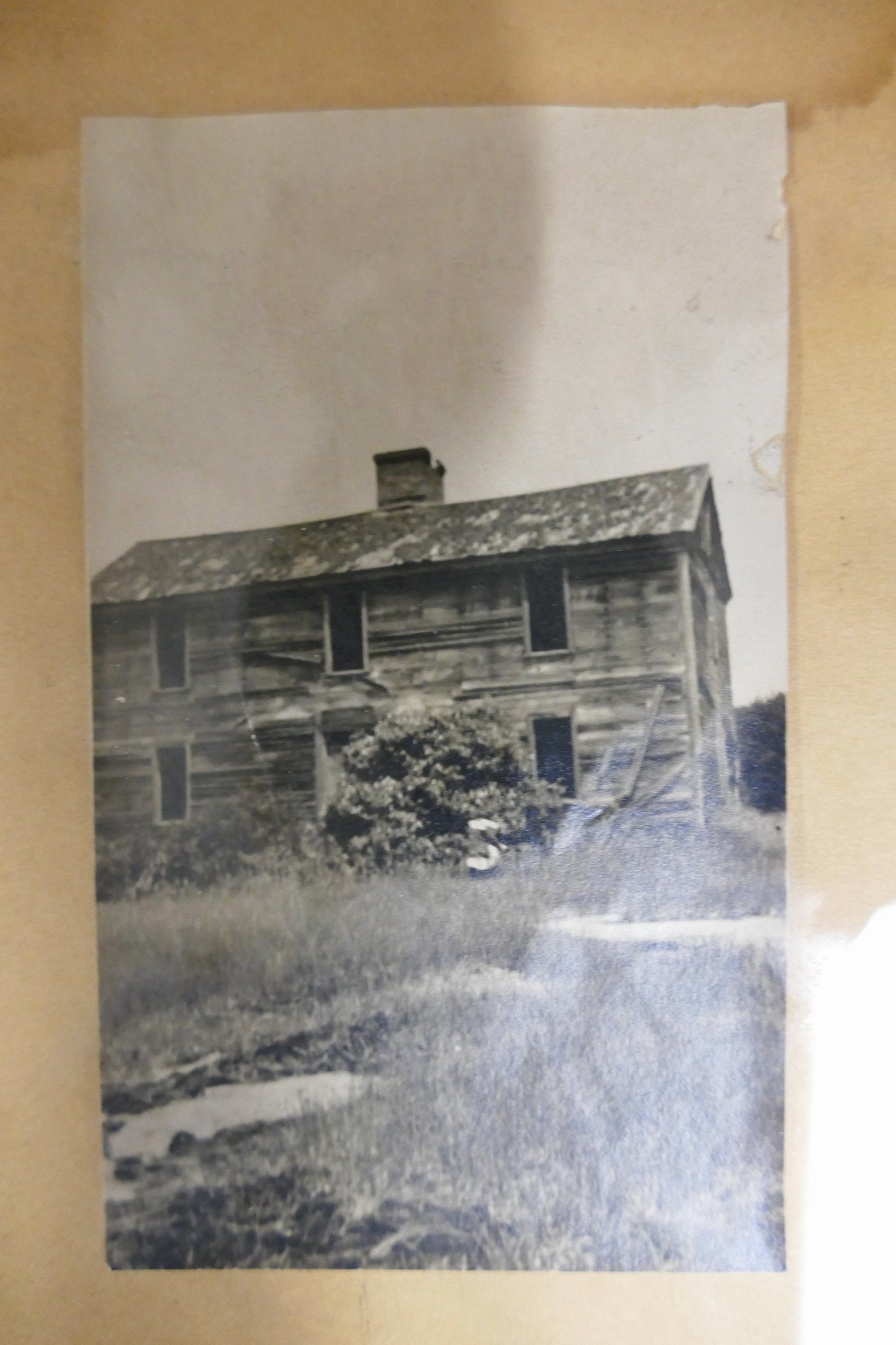
Friday morning gives Grandmother and me a chance to relax and explore the environs of Rice Village. We set out with horse and buggy and we head up Hawes Hill Road. Stopping at the home of Mrs. John Hawes, we are treated with glasses of fresh milk and cookies. She tells us of the most recent adventures of her amazing dog Jack. Back in the buggy we pass the Old House, which is ancient and falling down. Grandmother calls it the “Nelson Hawes” place. Up we climb, the horse’s shoes striking sparks when his hooves come down on the bare ledge that is exposed over much of the road. Our final destination is the home of two Hawes sisters, almost at the town line with Petersham. They are very jolly women and I always enjoy admiring their collection of 300 china pitchers.
On the way back to the James A. Rice farm, I tell Grandmother that I fear that progress will change Rice Village. What will happen if that rich Col. Gaston changes things too much? Will the road up Hawes Hill become impassable, will its few residents be forced to find new homes? Grandmother explains that we are living in an era of great change. Electricity and motor cars will make life much easier for many people, but they also have the potential for being used unwisely or unethically. We must be grateful for these new inventions but be ever mindful of the best way to use them.
And now we will head back for New York City together, and I am left with so many new things to consider after my first real New England Thanksgiving.
E.M.S.
NOTES:
The events of this weekend are based in fact. The week of Thanksgiving 1908 did indeed include the farewell reception for Rev. Alvin Bailey. James A. Rice and his wife Bertha (Bailey) Rice hosted a large Thanksgiving dinner at their home farm on the Petersham town line just north of Rice Village, and that dinner included the baptism of their infant son, James Bailey Rice. Many guests attended, including McKinlay family members from New York City. The guests and events were detailed in newspaper articles of the time. The houses described here are real, as are the people.
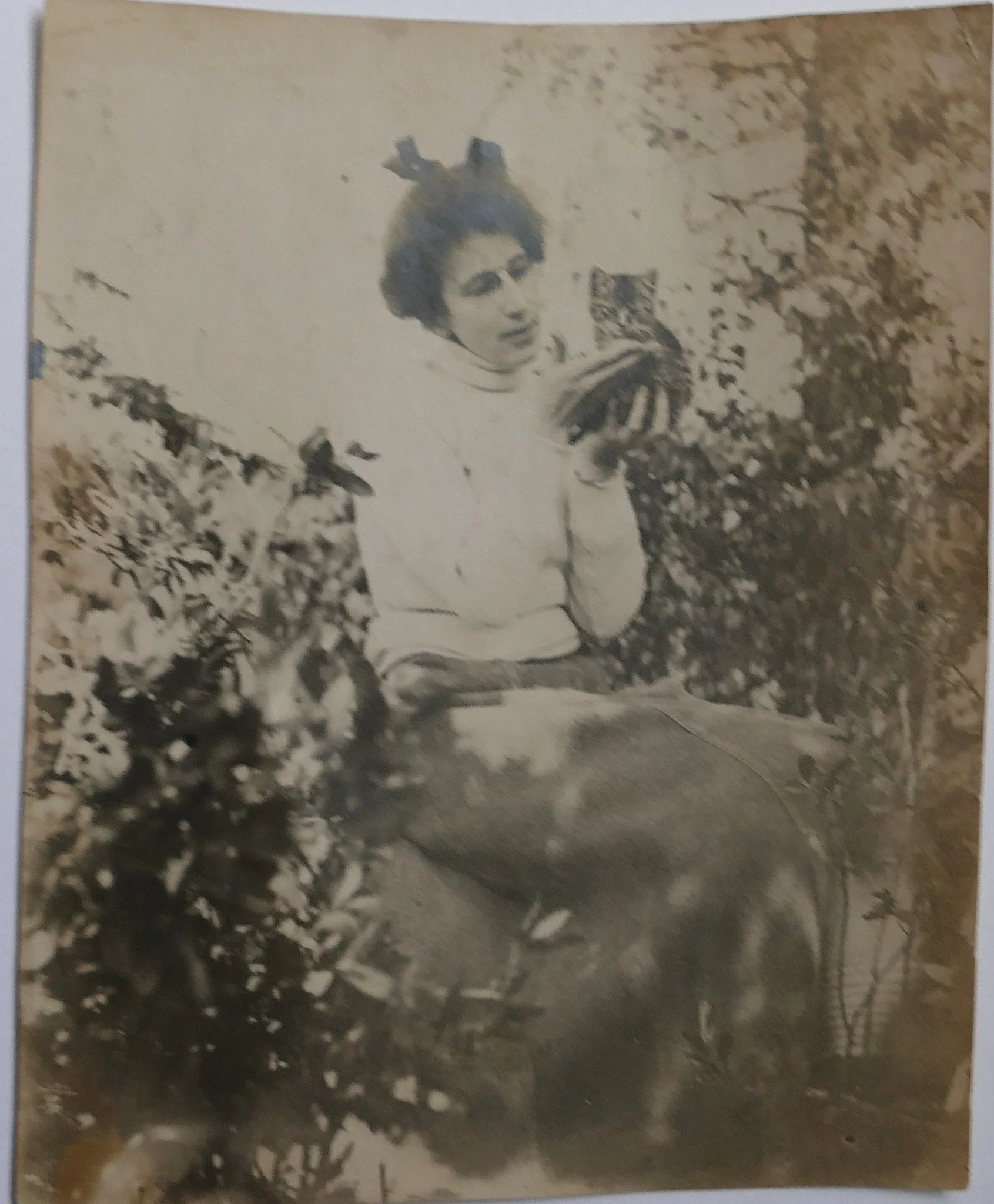
The narrator of this story is based on a granddaughter of Sarah Adeline (Lovell) McKinlay, Eleanor McKinley Smith, born in 1893. She grew up with her McKinlay grandparents, her lawyer mother Minnehaha, and brother, after the death of her father. She would have been 15 in 1908. There is no evidence that either Grandmother or Eleanore attended these events, although Grandmother’s daughter-in-law, Mrs. James Buel McKinlay, attended. Eleanor, thank you for allowing us to borrow your character to narrate this fictional account of a real Thanksgiving in Rice Village in 1908. Eleanor married, had three sons, and lived a long life.
While the narrative above was composed for the purpose of this post, it is based closely on documents prepared by members of the families of Rice Village. Eleanor’s first cousin, Horace McKinlay Hatch, who was just about Eleanore’s age, wrote a three-part series for the 𝑩𝒂𝒓𝒓𝒆 𝑮𝒂𝒛𝒆𝒕𝒕𝒆 in February 1952 titled, “The Barre I Remember.” Elsie Hawes Smith was a great detailer of the history of Rice Village. She wrote articles for the 𝑩𝒂𝒓𝒓𝒆 𝑮𝒂𝒛𝒆𝒕𝒕𝒆 and also for reunions of the Rice family, mostly in the 1920s.
Alfed L. Babbitt was very well known as one of the last stagecoach drivers in Massachusetts, and he drove the stagecoach to meet every train at the Barre station on behalf of Prouty Livery for 16 years. Before that, he drove stagecoaches over longer distances.
The Thanksgiving menu is borrowed from a menu preserved in the Allen family records from this period. Like the Rice family, it was a large farm family that originated in Rice Village.
The great mansion house purchased by Col. William Gaston burned in 1912. In its place he built an even larger brick mansion that survives today as Insight Meditation Center. He subsequently purchased most of the Rice Village properties along Pleasant Street/Petersham Road and acquired an estate of about 1,500 acres.
The year 1912 brought another tragedy. Florence (Bailey) Rice, mother of baby James who was baptized on Thanksgiving Day, died. James A. Rice was left alone with a four-year-old boy. He sold most of his extensive holdings in Rice Village and brought his young son with him to work at lumber camps throughout the area. In 1915, he sold the lovely old farm with 15 rooms where the story is centered to Col. Gaston, who gave it to his daughter, Hope Felton. She sold it to the sculptor John Angell shortly before it was burned in an arson fire in 1934.
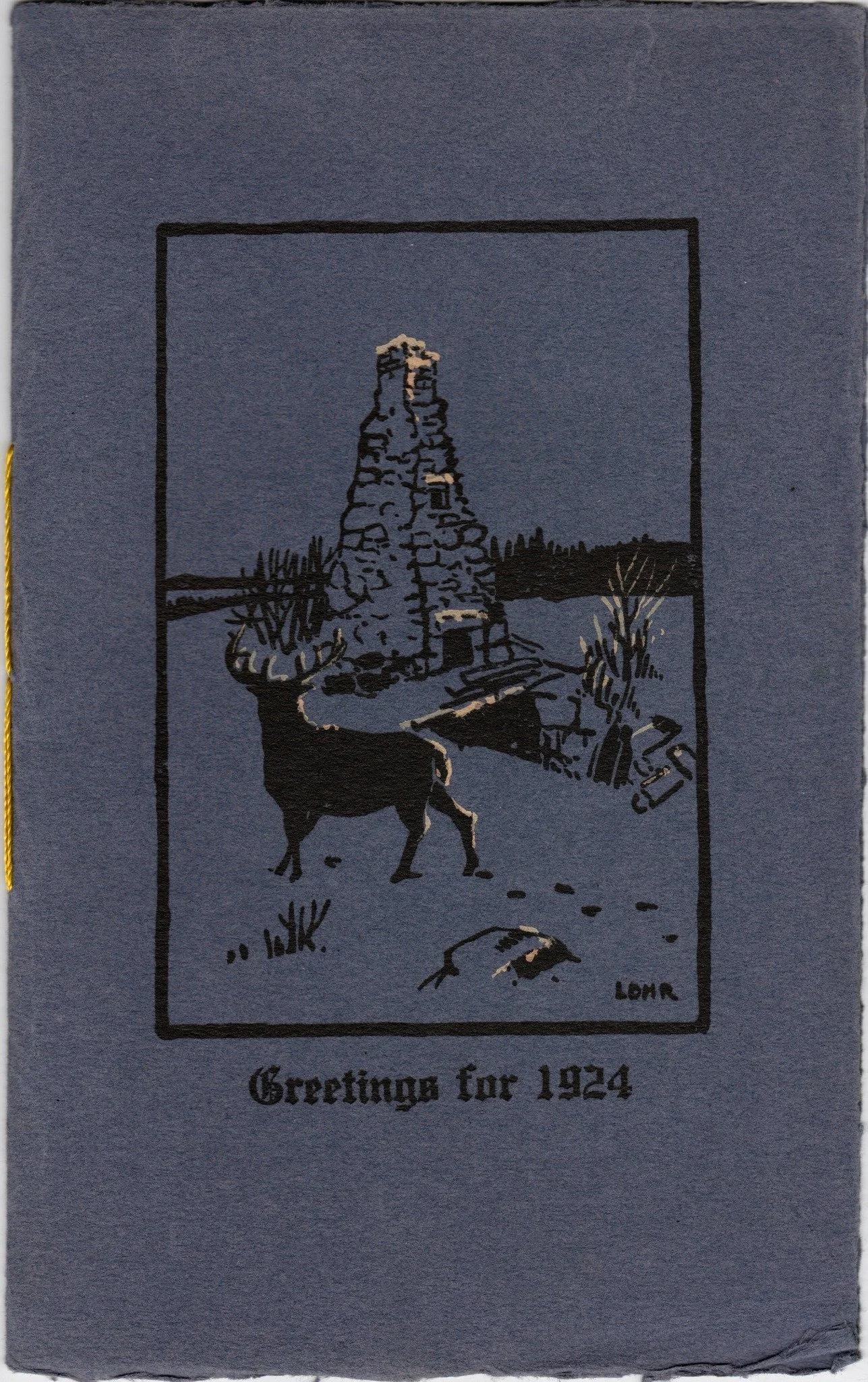
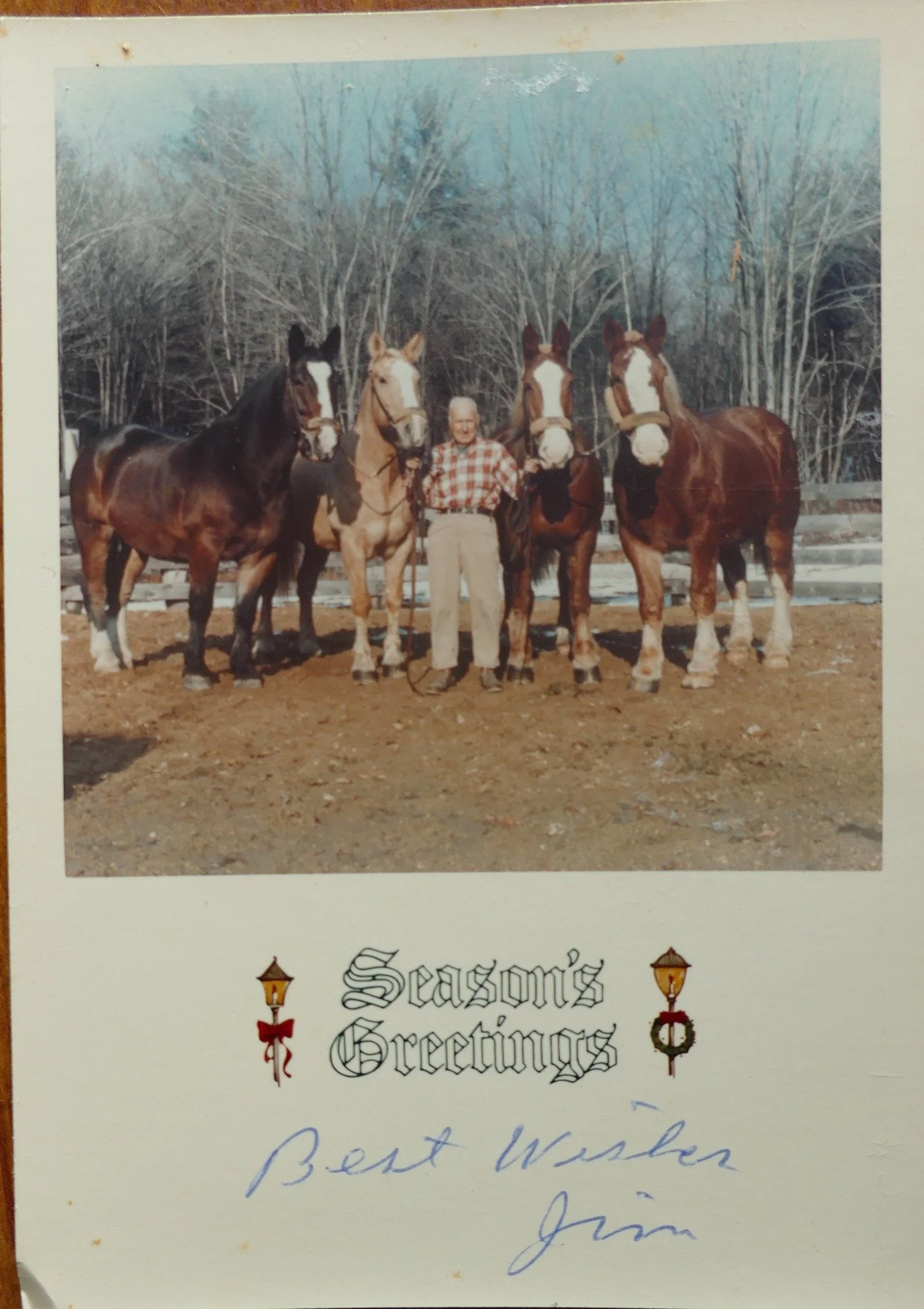
James A. Rice married again in 1918. Lucy Dorritt Hale was an art teacher and took over the raising of her young stepson James. Eventually they purchased a home near the center of Barre on Pleasant Street. James A. Rice and his second wife Lucy issued artistic Christmas cards each year that included Lucy’s fantastic wood block prints and James’ stories of the Rice Village area. James A. Rice died suddenly in 1925 when his son was in high school. James Bailey Rice, baptized on Thanksgiving Day 1908, worked with big horses much of his life. He died in 1997.
The John Hawes place on Hawes Hill Road, famous for the dog Jack, was eventually purchased as a summer home by Adeline (McKinlay) Hatch, mother of Horace McKinlay Hatch who wrote the articles for the 𝑩𝒂𝒓𝒓𝒆 𝑮𝒂𝒛𝒆𝒕𝒕𝒆 in 1952.
The “Old House” fell down about 1910. Its chimney still rises into the air, reminding the few people who pass by that without attention, things decay.
The home of the Hawes sisters near the Petersham town line burned one summer day and, while they escaped the fire, their possessions were all lost, including the vast collection of china pitchers.
The schoolhouse still stands across from the entrance to Hawes Hill Road. It is now a private residence.
Hawes Hill Road is now nearly impassable in its upper reaches. A century ago it was used as a short-cut for people from Barre who were headed for Queen Lake in Phillipson. Now that “shortcut,” which involved travelling down equally treacherous Narrow Lane in Petersham and Phillipson, is likely to take much longer than the longer way to get there.
Yes, Eleanore, the purchase of most of the properties in Rice Village by Col. Gaston did change its nature significantly but based on the writings of your cousin Horace McKinlay Hatch, the summers spent there by city kids were idyllic. Much of the land is now conserved either as state wildlife management areas or as private wildlife preserves. Indeed, Rice Village is a unique pocket in Barre that combines nostalgic views of the past and the busy life of Insight Meditation Center, something that people a century ago could not even imagine.
We have so much for which to be thankful here in Barre!
Lucy Allen
Nov. 26, 2025