Honoring Cromwell Oliver, A Black Revolutionary War Soldier of Barre, MA
𝘾𝙧𝙤𝙢𝙬𝙚𝙡𝙡 𝙊𝙡𝙞𝙫𝙚𝙧 𝙁𝙤𝙪𝙜𝙝𝙩 𝙛𝙤𝙧 𝙃𝙞𝙨 𝘾𝙤𝙪𝙣𝙩𝙧𝙮, 𝙏𝙤𝙬𝙣, 𝙁𝙖𝙧𝙢, 𝙖𝙣𝙙 𝙁𝙖𝙢𝙞𝙡𝙮
This year is a special opportunity to honor Barre’s rich Black History. It is our nation’s 250th anniversary, and Barre had several African-American men who fought for independence in the Revolutionary War. Let’s look at the life of Cromwell Oliver. He was a free Black man who is the first African-American landowner I have uncovered in Barre. He purchased land in Barre in 1764, ten years before Barre was incorporated as a town, and almost 20 years before slavery was abolished in Massachusetts, largely through the efforts of another Black Barre resident, Quock Walker, in 1783.
Cromwell Oliver was a landowner, farmer, laborer, and Revolutionary War soldier who enlisted several times during the war that brought independence from England. Leaving his family and his farm, Cromwell Oliver took up arms and fought under Col. Nathaniel Waid/Wade, probably at the expedition to Rhode Island in 1778 that sought to free Newport from British control. The expedition failed in August. He enlisted multiple times under Col. Wade, including May 8, 1778 for one month and two days in Rhode Island; an enlistment on July 15, 1778 for five months and 22 days, which probably signifies that Cromwell was part of the siege in Newport. Muster rolls in East Greenwich, Rhode Island, show he was there from September into December. That enlistment expired January 1, 1779, but it was not the end of Cromwell Oliver’s service to his country.
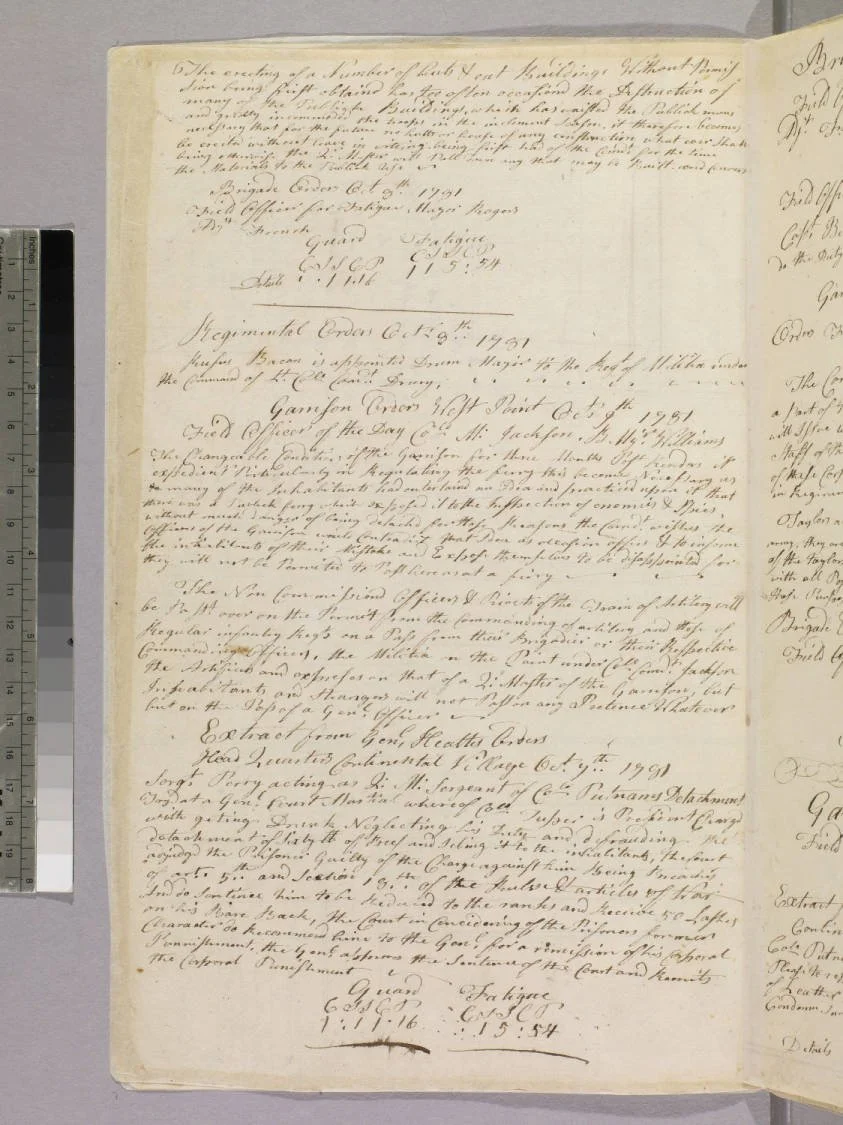
On August 9, 1781, Cromwell enlisted in Capt. Jonathan Sibley’s Co., Col. Luke Drury’s Regiment. He started the long march to West Point, New York, on August 13, arriving at camp on August 22, 1781. He was discharged on November 21, giving service for three months and 23 days, including the ten days it took him to walk 200 miles home to Barre. The regiment’s orderly book confirms that this regiment was stationed at West Point. While there, Cromwell Oliver helped provide crucial defense of the Hudson Highlands while the main army was operating against the British at Yorktown, Virginia. General George Washington scored a victory at Yorktown on October 19, 1781, which essentially ended fighting between the combatants. The war was nearly over, allowing Cromwell to make the long walk home. Private Cromwell Oliver was engaged for the Town of Barre.
A copy of a page from the orderly book of Col. Drury’s Regiment during the time Cromwell Oliver was at West Point is included with this article.
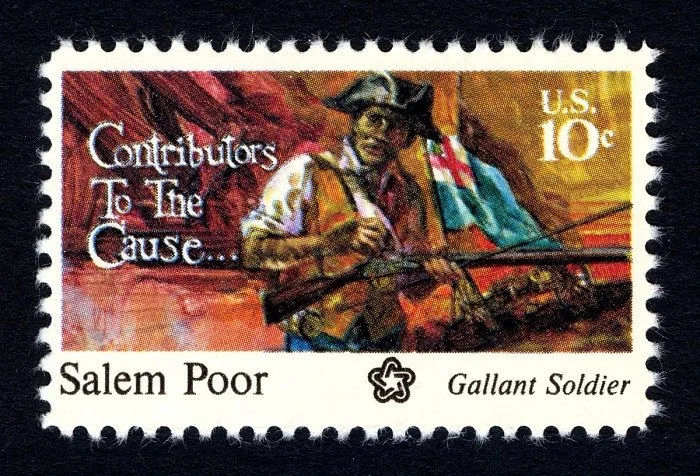
We don’t know what Cromwell Oliver looked like. In fact, the summary of his service in the Revolutionary War as compiled in “Massachusetts Soldiers and Sailors of the Revolutionary War” does not mention his race. I have included two modern artistic portrayals of African-American soldier Salem Poor, who fought with distinction at the Battle of Bunker Hill, but I don’t know if they truly reflect how Cromwell Oliver might have looked in uniform.
The trail of breadcrumbs we can follow that reveal specific points in the life of Cromwell Oliver leads us on a fascinating trek.
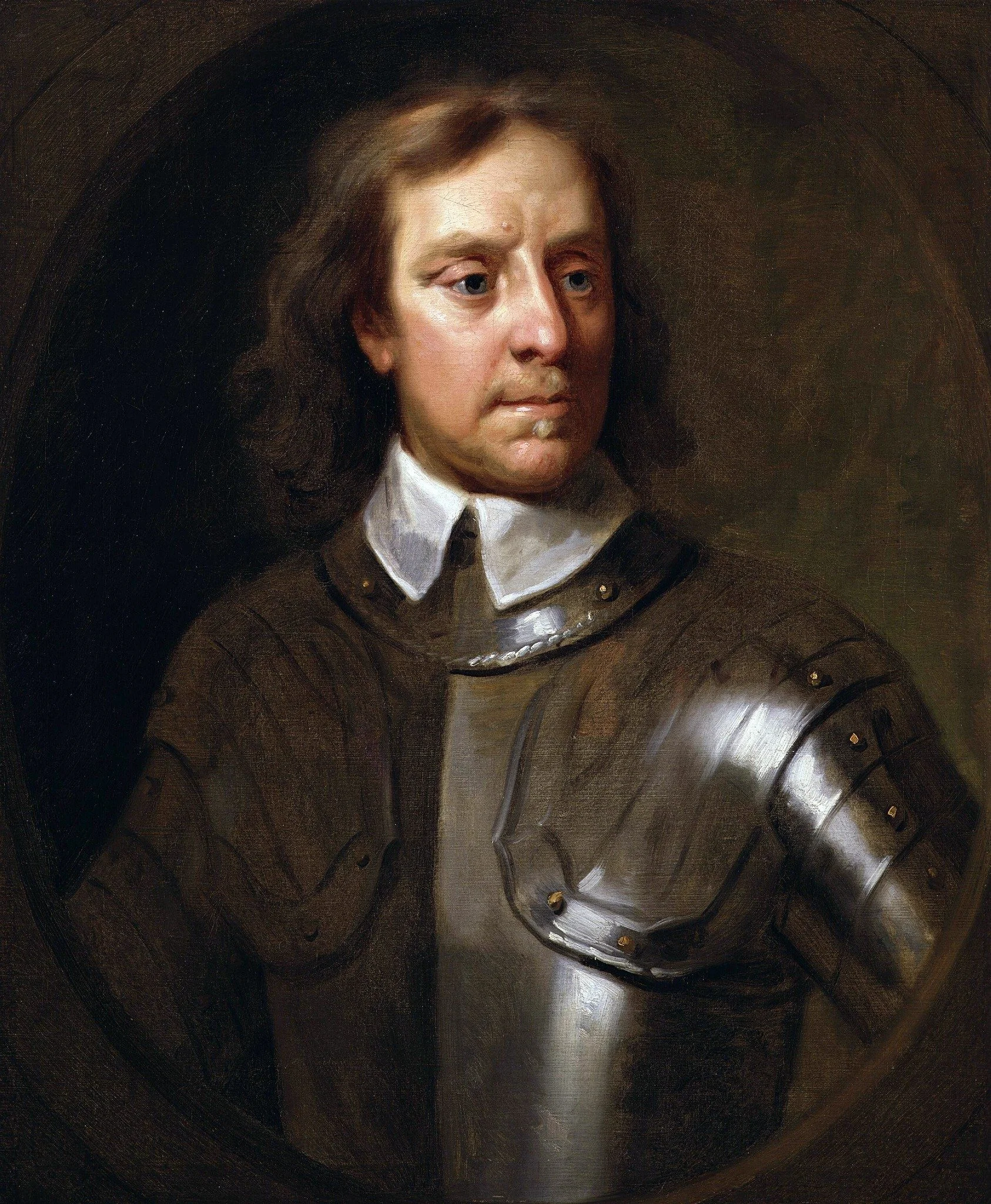
He was Cromwell Oliver, Junior. Perhaps his father was named for Oliver Cromwell (1599 – 1658), the English statesman, farmer and soldier, one of the most prominent and controversial figures of his day.
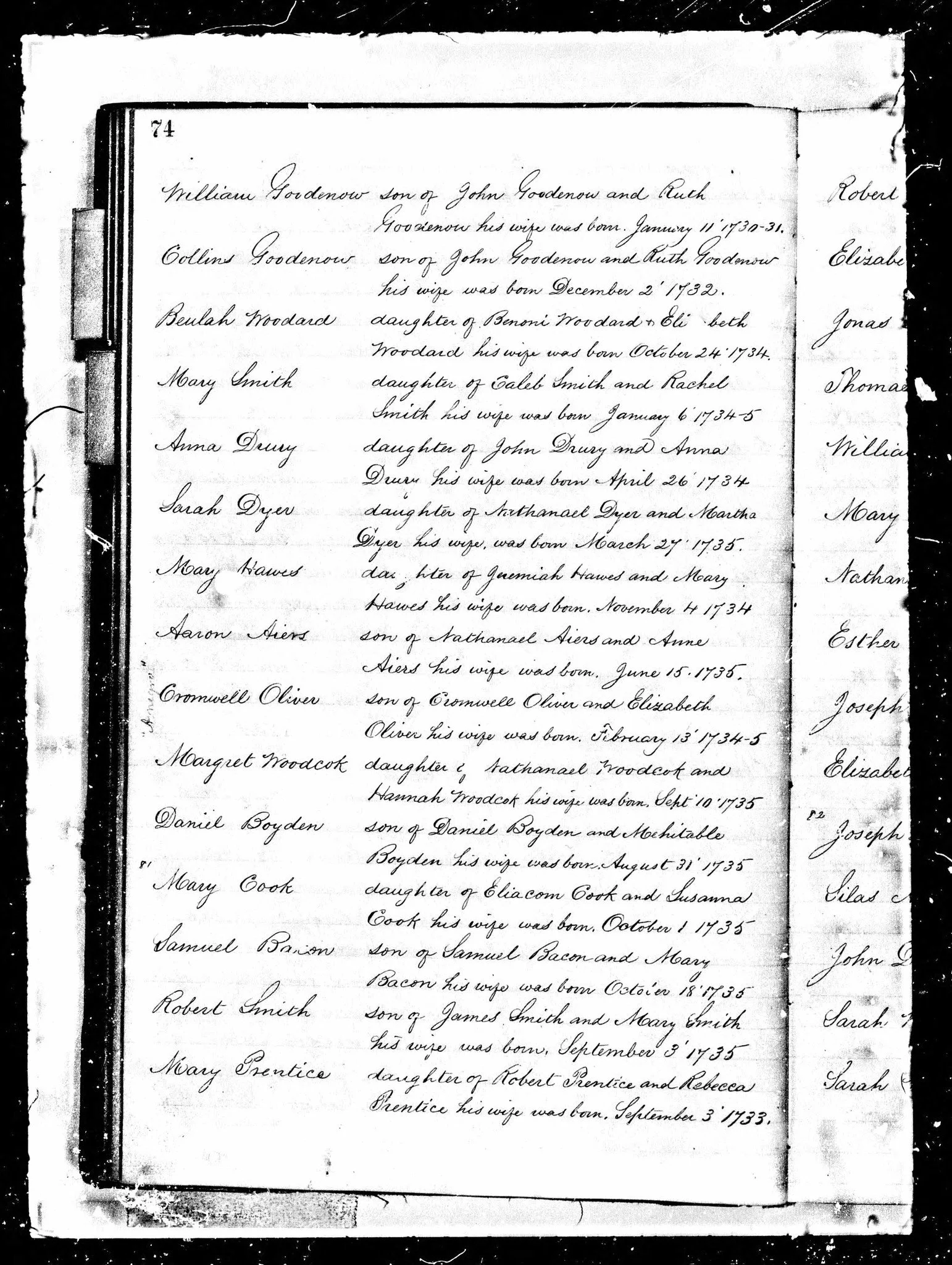
His father, Cromwell Oliver, Senior, married Elizabeth Gossen in 1730. The marriage record in Boston states: “Crumwell Oliver of Needham & Elzath (sic) Gossen, free negroes, on 17 March 1730 by Sam. Sewall Esq., J.P.” The vital records of Needham show that Cromwell Sr. and Elizabeth had at least seven children between 1733 and 1747. Cromwell Oliver, Jr., the subject of this portrait, was born in Needham on February 17, 1734.
This means that he served his country in the Revolutionary War when he was between 44 and 47 years of age.
Cromwell’s mother, Elizabeth Gossen, was the daughter of Simon Gossen and Susannah (Hill) Gossen, who were married in Boston, Massachusetts, on October 13, 1709. The record noted that they were “free negroes.”
Cromwell Jr.’s parents named children for Elizabeth’s parents (Simon and Susannah), as well as for themselves (Cromwell and Elizabeth). The death record of little Betty Oliver notes that her father, Cromwell Oliver Sr., was an “Æthiope,” indicating his origins were African. “The History of Needham, Massachusetts,” 1711 – 1911,” by George Kuhn Clarke, proposes that “Oliver Cromwell” (no doubt meaning Cromwell Oliver) also descended from the remnants of the Natick Indians who lived in Neeham.
Cromwell Oliver Jr.’s siblings, Simon, Thomas, Rebekah, and probably Susannah also moved to Barre.
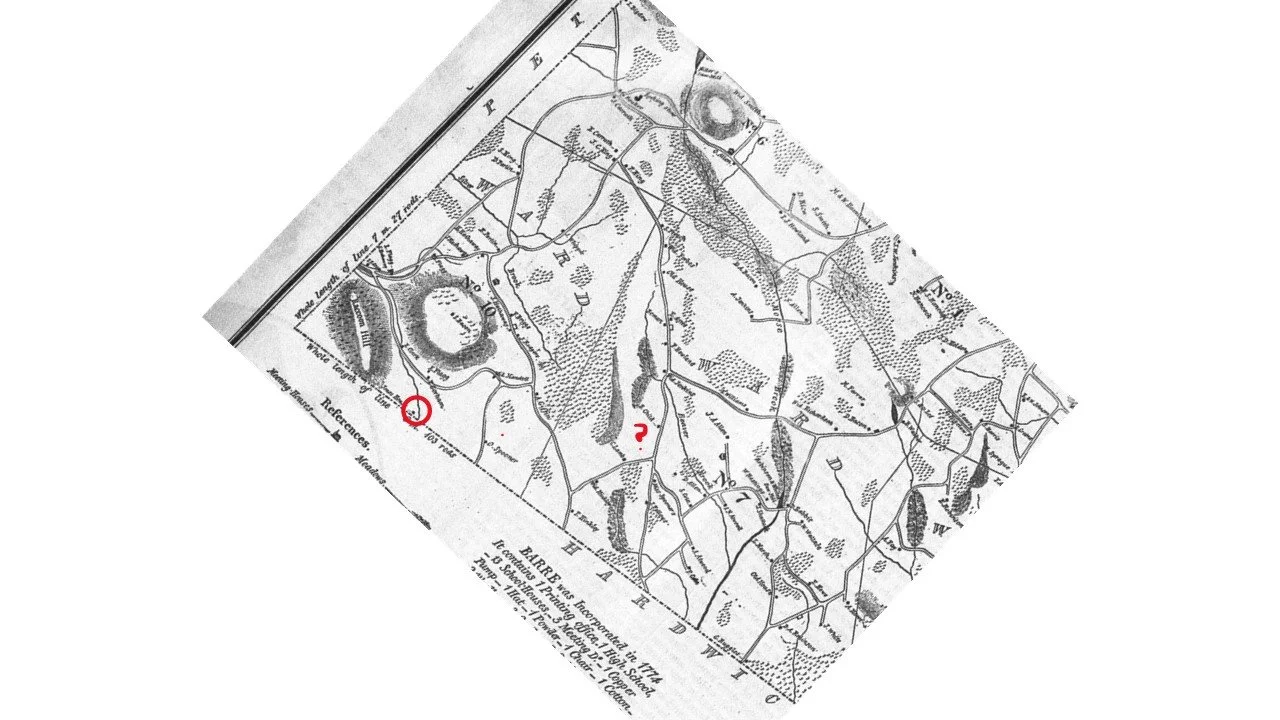
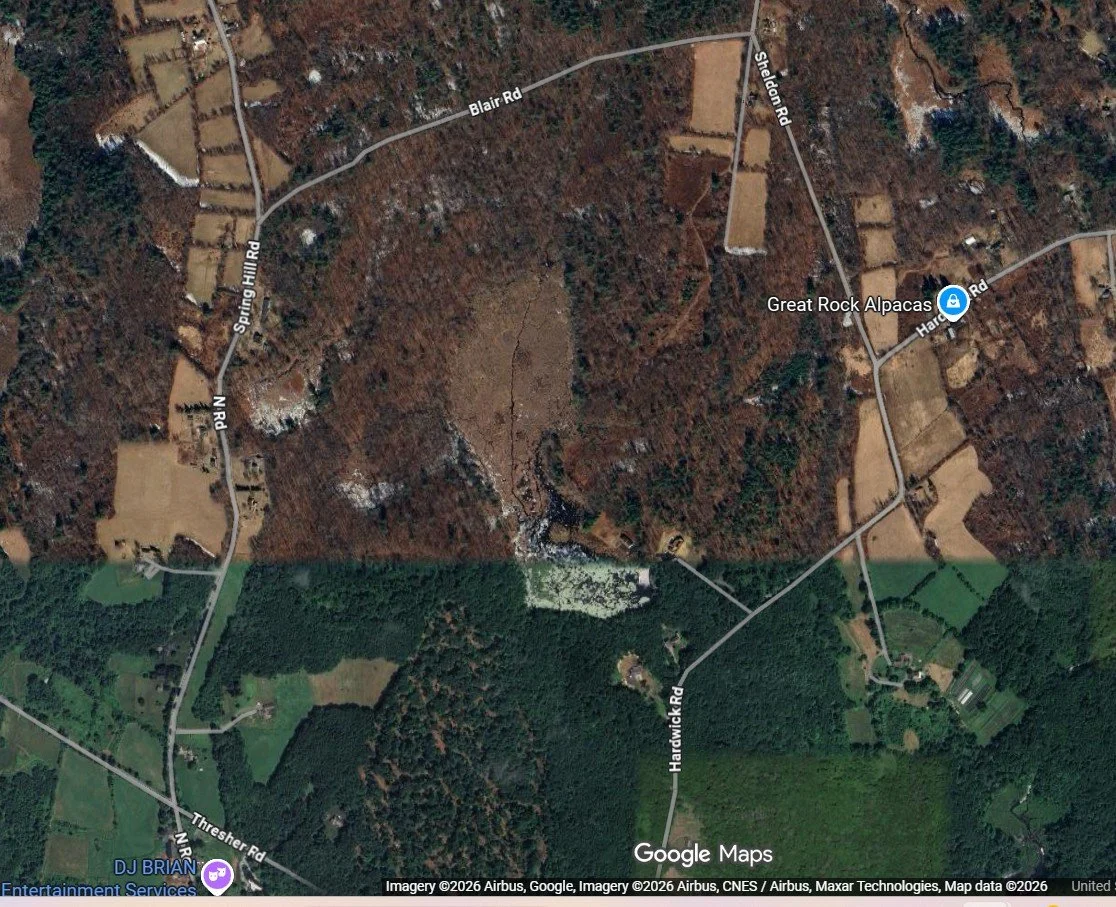
By 1764, Cromwell Oliver, Jr. was living in Weston, Massachusetts, the town next to Needham. He purchased land from Nathaniel Jennison of Rutland District (as Barre was called before it was incorporated in 1774). Nathaniel Jennison is the same man who would in 1781 beat and imprison Quock Walker for having the nerve to defy Jennison. Jennison also came from Weston and inherited expansive tracts of land in the pioneer community of Rutland District from his father. Cromwell was described as a labourer of Weston when he paid the 63 pounds, six shillings, and eight pence for the 60 acres of lands in the far western part of Barre in “Great Farm 26.” They completed the deal on May 22, 1764, although it was not recorded until 1772. The land was along the Hardwick town line extending up into Barre in the area of Springhill Road, Sheldon Road, Blair Road, and Hardwick Road near the Hardwick line. It is today, as it no doubt was in 1764, a highly elevated and very rural area.
Cromwell sold this piece of land to Solomon Jones of Rutland District (Barre), a blacksmith, in June of 1772. The deed describes Cromwell Oliver as a “husbandman,” meaning a farmer who was at the subsistence level, a bit below the “yeoman” in the social pecking order of the day.
Solomon Jones would then sell that 60-acre parcel of land to Ebenezer Childs, Sr., who moved his family from Barnstable/Harwich to Barre in 1773. Although the house probably no longer stands, it seems likely that the house was on Sheldon Road slightly north of Blair Road. Two sons of Ebenezer Childs fought in the Revolutionary War. His son Ebenezer, Jr. lost his life in the Battle of Bunker Hill.
Cromwell Oliver purchased another piece of land in Barre from Moses Gill of Boston. “merchant,” in 1774. Cromwell Oliver was described as a “free Negro.” This was a 55-acre tract of land within Great Farm XXV, placing it just a bit northwest of the land that Cromwell Oliver first purchased. Great Farm XXV, a 560-acre tract of land, was around southern Springhill Road, Spooner Road, and Raccoon Hill Road. It, too, remains a very rural area near the Hardwick town line.
His land ownership was not confined to Barre. On June 30, 1772, the Rev. Ballantine of Westfield, Massachusetts, noted in his journal that “Cromwell Oliver, a free Negro of Rutland, Mass. [meaning Rutland District/Barre] owns land at Murrayfield [now Chester, Massachusetts], tried to buy, could not agree.”
From the Reverend’s comment that he and Cromwell Oliver could not come to an agreement, we can see that Cromwell was also a businessman, not selling cheap. In fact, he had several contentious relationships with people in Barre and Hardwick. Two residents of Hardwick, including Seth Taylor who was a neighbor, won court decisions in which they were awarded some of Cromwell Oliver’s land in payment of his debts, because Cromwell refused to pay what they felt was due to them.
However, Cromwell Oliver also sued his neighbors. One of them was no less than Ebenezer Haskell, who served as a Constable from 1791 through 1794, and was also town tax collector. Ebenezer was a “clothier,” which was an artisan who finished homespun woolen cloth by washing it, shrinking and “fulling” it to make it dense, smooth and waterproof. His mill was where Moose Brook crosses under Hardwick Road, in the western part of Barre, not far from where Cromwell Oliver’s farm was located.
Cromwell Oliver was awarded the monetary damages in his suit against Ebenezer Haskell in 1799, and the court ordered that the Sherrif “take the body of the said Ebenezer & him commit unto our Gaol [jail] in Worcester aforesaid & detain in your Custody within our said Gaol until he pay the full sum above mentioned…”
Ebenezer Haskell agreed to have some of his property set off to Cromwell Oliver to pay the debt of $88. This land appears to include his mill on Moose Brook.
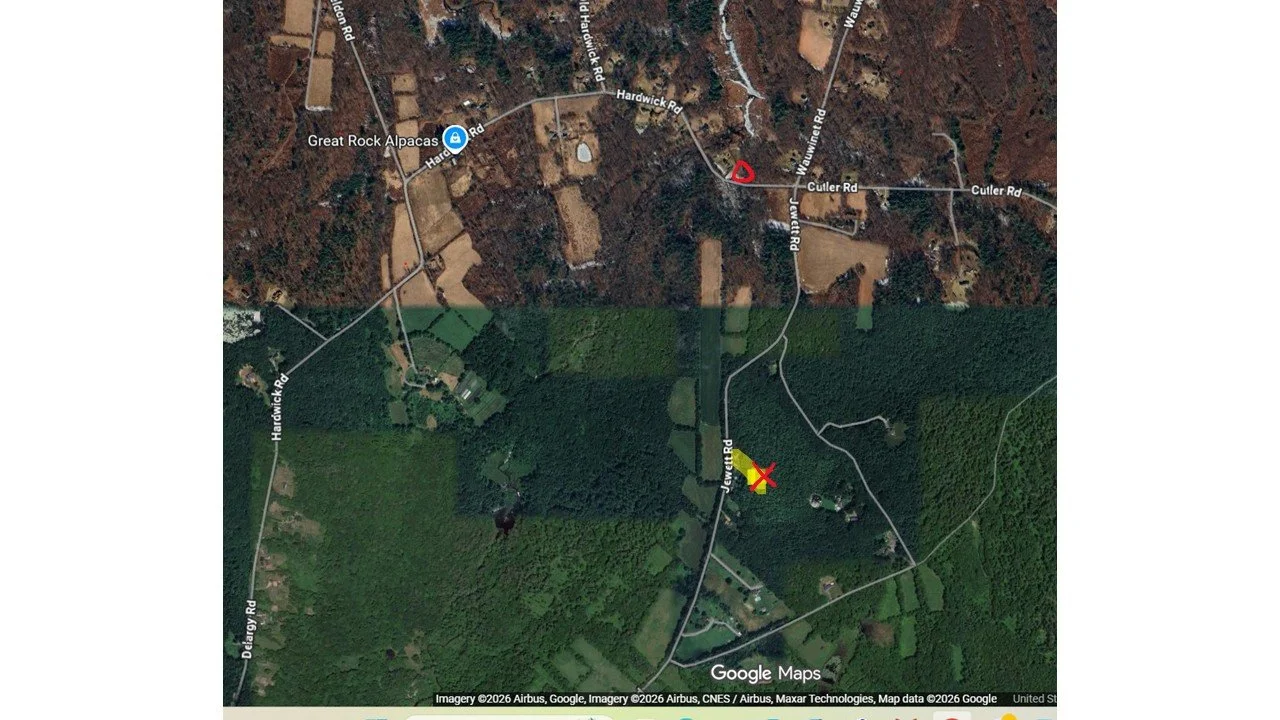
On the same day, Cromwell Oliver sold the same parcel for $100 to Daniel Bigelow, Esq., of Petersham. While making a profit off this sale, it was probably a mortgage in which Daniel Bigelow could sell the property if Cromwell Oliver did not pay back the $100. It was a 23-acre tract, and the interesting point of this transaction is that Cromwell Oliver stated it was the place where he then resided (1799). The first detailed map of Barre was 1835. Based on the description of the abutters, it seems likely that the house was on what we now call Jewett Road. An “old house” with no owner named is marked on the 1835 map in about the location where Cromwell Oliver may have lived.
Socially, we know less about Cromwell’s life. He married Anna Nazro on Dec. 26, 1799. Cromwell would have been 65 years old, so it is possible that he was married previously and had children. A 20-year-old “Cromwell Oliver” died in Barre in 1811, possibly a son, or perhaps a nephew.
Anna Nazro is identified in the volume “Black Families in Hampden County, 1611-1865,” as the sister of Aaron Nazro, who was the colonel of the “colored military corps” in Springfield, Massachusetts, from1829 to 1831. However, I cannot confirm this relationship. If Anna was Aaron’s sister, she would have been very young in 1799 when Aaron was a teenager. We know he was between 14 and 18 years old in 1799 when he elected a Hardwick man as his guardian, his father having died some time previously. His mother’s name was listed as Anna Nazro, a widow, and it seems more likely that Cromwell Oliver married the widow Anna Nazro, not her daughter.
Brothers Simon and Thomas had their own families in Barre. Sister Rebekah Oliver married Moyder Hillhouse in Barre in 1781; they were identified as “negroes.” Moyder Hillhouse purchased land in the very far western corner of Barre, by Raccoon Hill, of Capt. Ezra Jones in 1776 or 1786 (the figure is illegible). Here, on the 33-acre tract of land in Great Farm No. 23, Moyder and Rebekah (Oliver) Hillhouse established a farm and a mill on the brook that flows through that parcel. Moyder died in 1792, leaving real estate worth 38 pounds. His widow Rebekah then married Samuel Jones, and that property is identified as the “Jones House” on the 1835 Map of Barre. When Rebekah died, Samuel Jones married Priscilla Walker, sister of Quock Walker. Thus, many of Barre’s Black families of the 18th and early 19th century lived in the far western corner of Barre.
In 1794, Cromwell Oliver sold to Barre’s Deacon Moses Holden a one-fourth interest in a sawmill standing on a small stream nearly five miles west of the meeting house in Barre on land formerly owned by Moyder Hillhouse, Cromwell Oliver’s late brother-in-law.
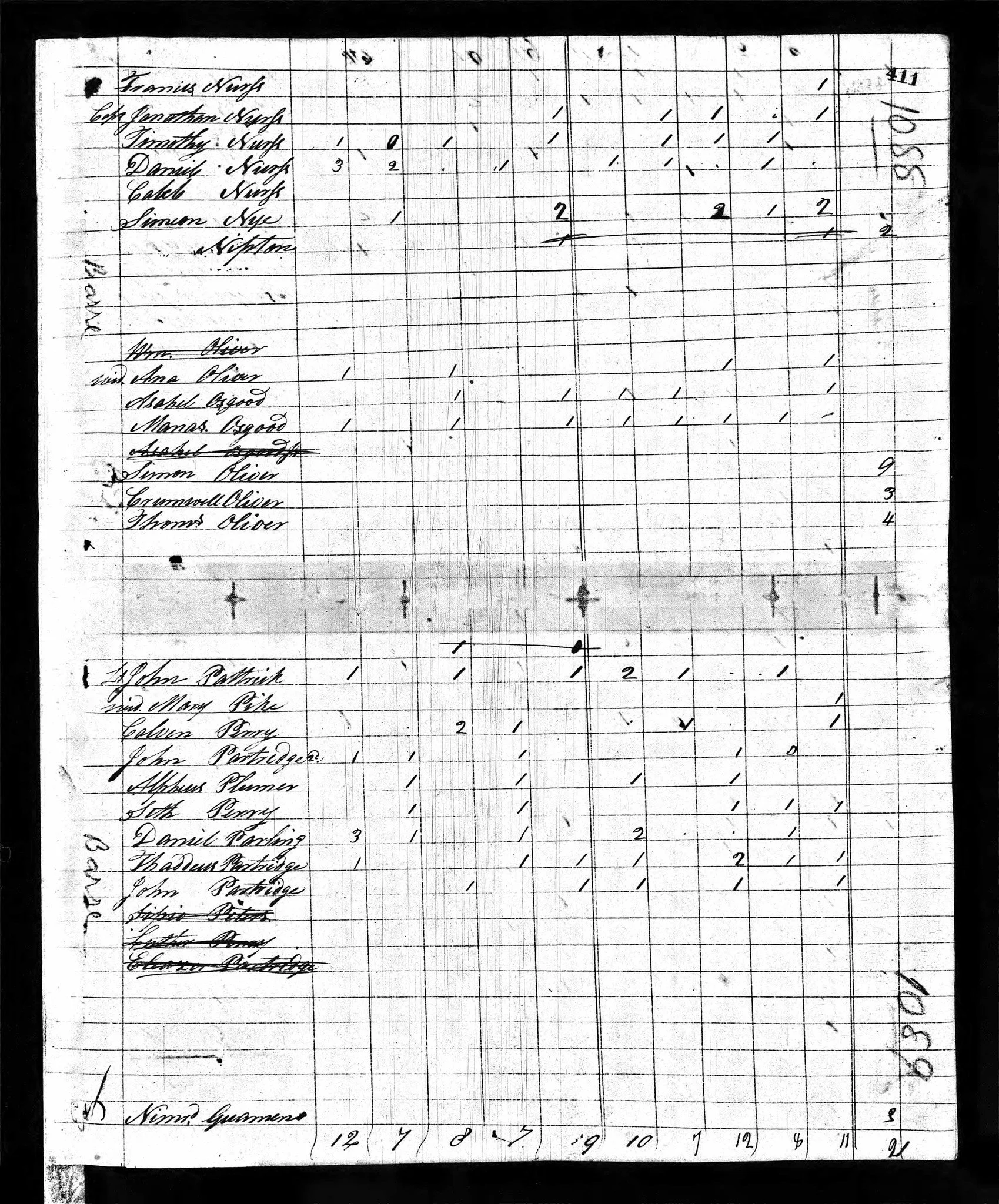
Cromwell Oliver was listed as a head of family of three “free Negroes” in the first United States federal census of 1790. His brother Simon had a household of five. Moyder Hillhouse had a household of three. Ten years later, the 1800 US census of Barre showed that Simon’s household had grown to nine members; Cromwell’s was still listed as three, Thomas had four, and Samuel Jones, to whom Rebekah was now married, had three family members.
The last mention I have found of Cromwell Oliver is the 1810 US census of Barre, in which he now had a household of six members.
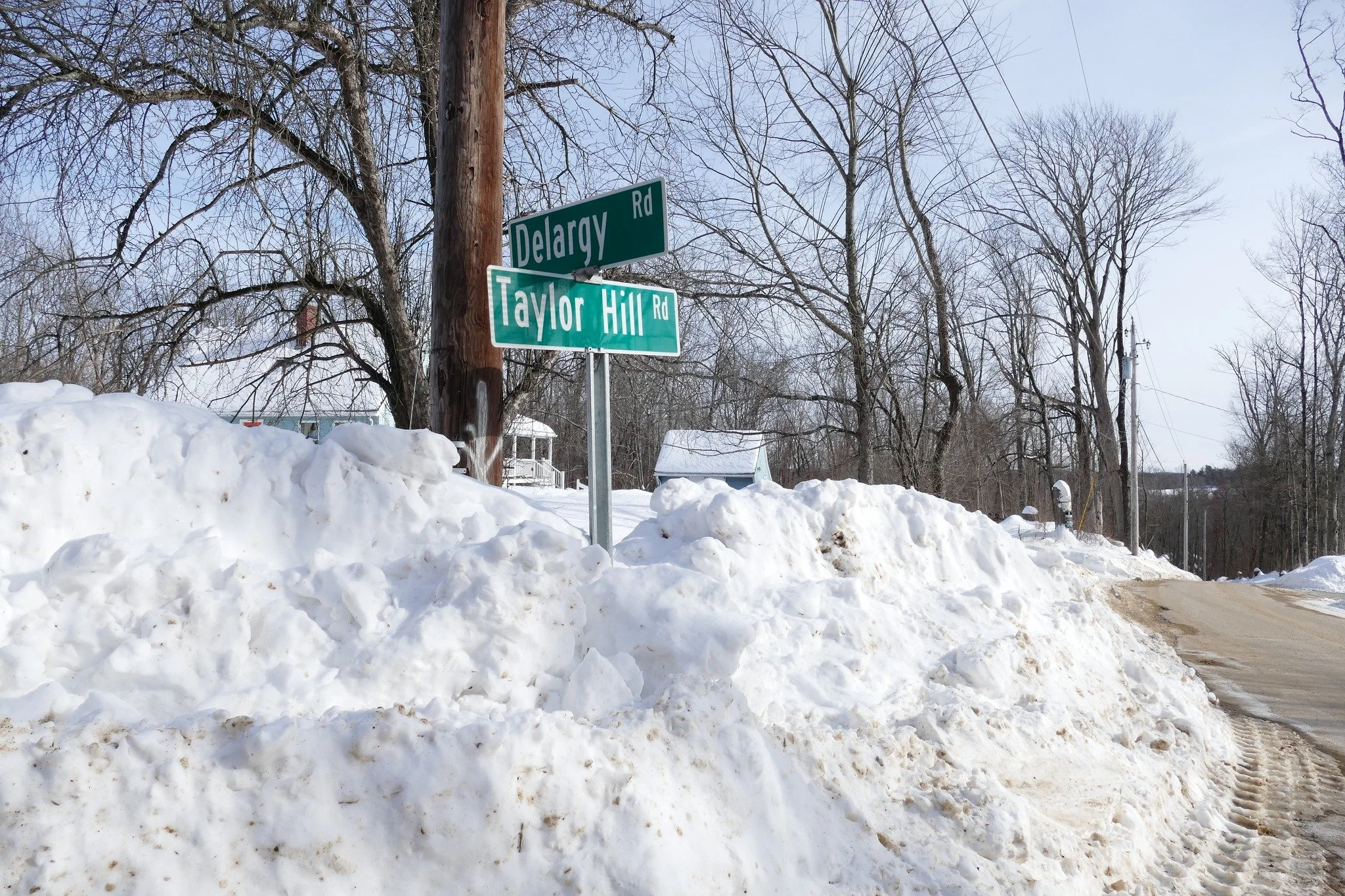
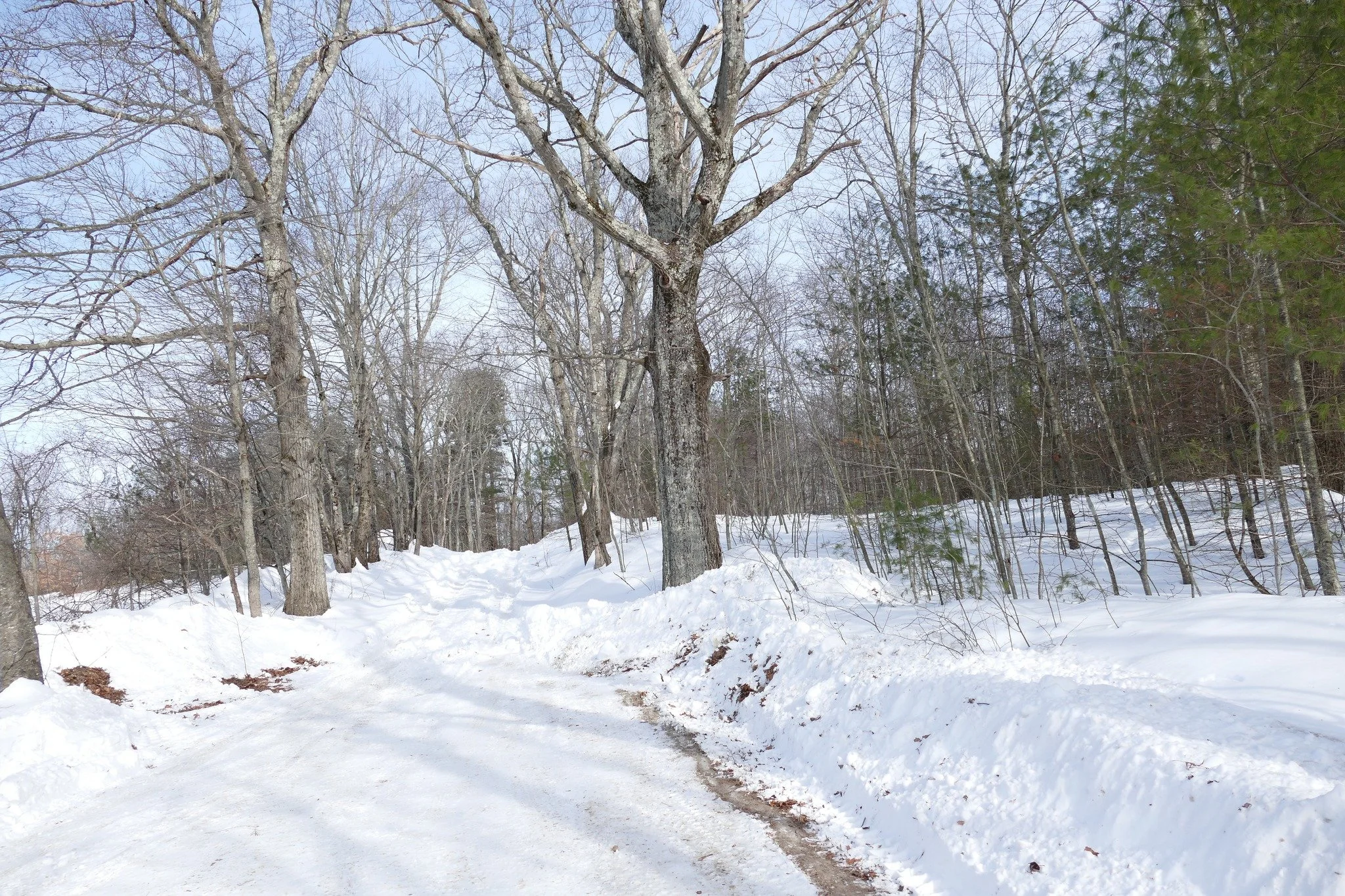
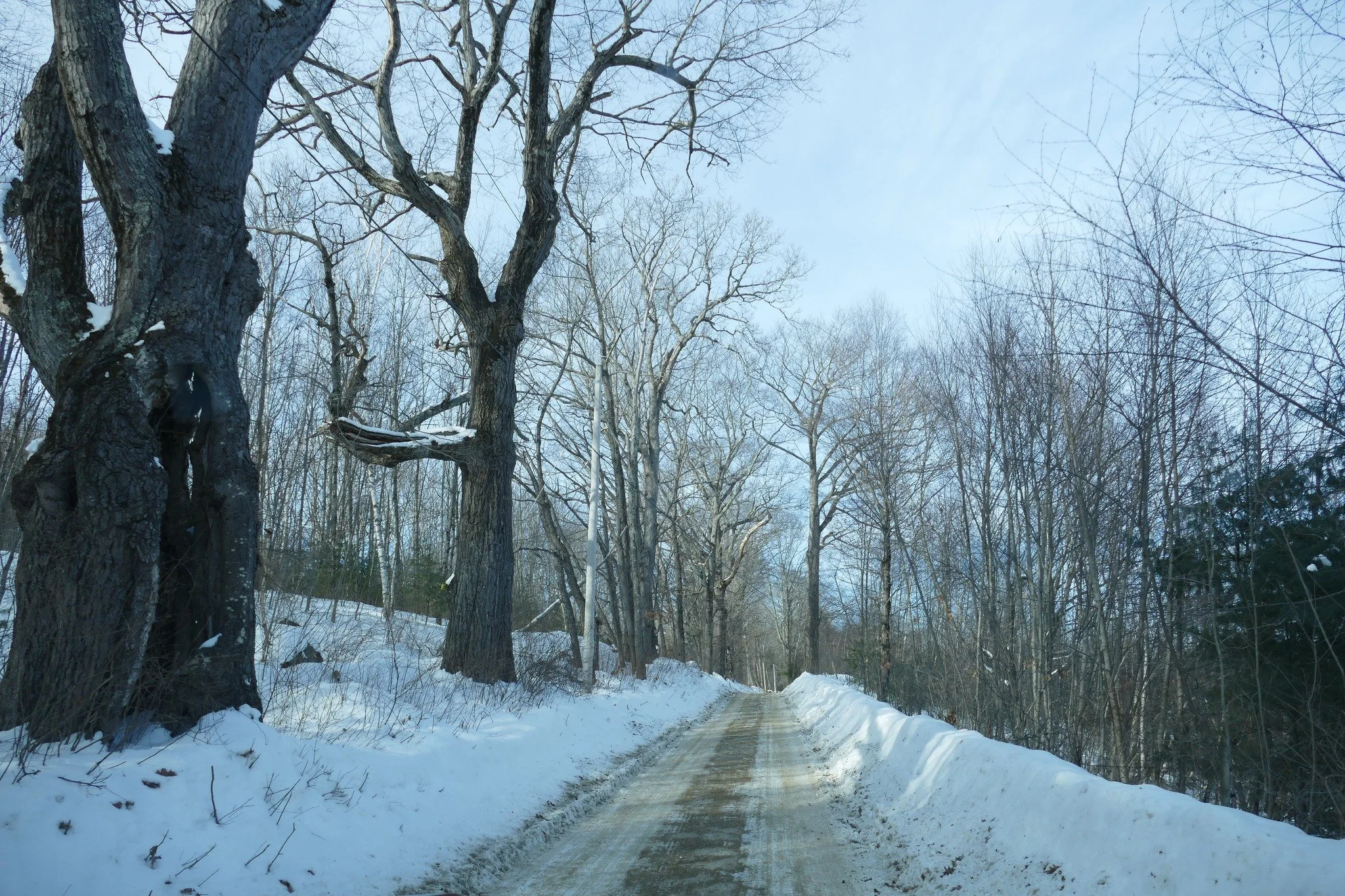
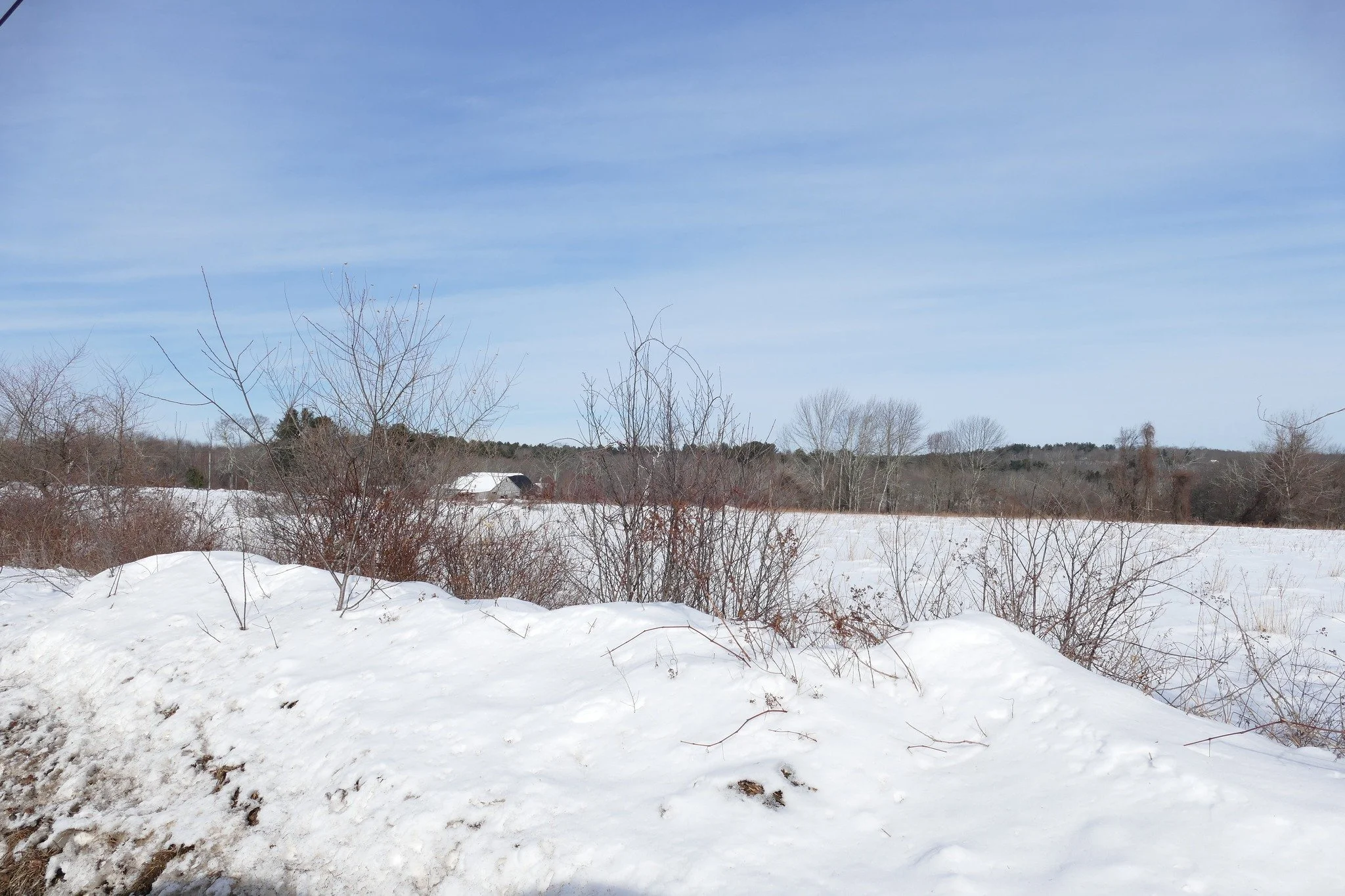
Yesterday, on a very cold Sunday afternoon, we ventured on the backroads of the western quadrant of Barre. Hardwick Road, Springhill Road, Sheldon Road, and an attempt at Blair Road, which had not been plowed. The terrain here is high. Hardwick Road still offers vistas east over cleared fields before going back into deep woods at the Hardwick town line. Going a bit farther into that town, we found the sign for Taylor Hill Road almost buried in snowbanks. Somewhere here lived Seth Taylor, who sued Cromwell Oliver and obtained part of his land as a result.
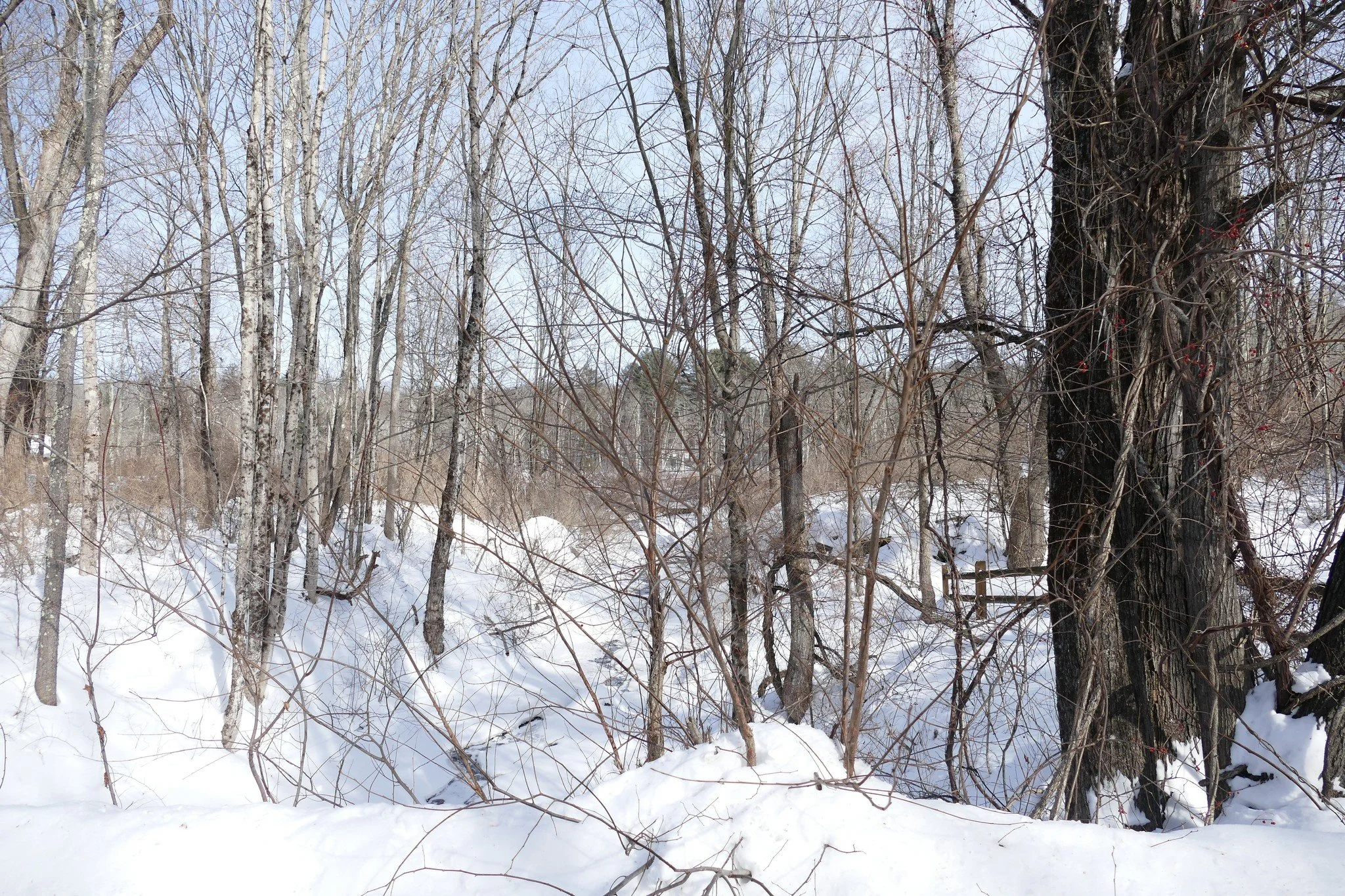
The spot on Hardwick Road where Moose Brook flows beneath, the site of Ebenezer Haskell’s fulling mill, was so deep in snow that it was hard to imagine anything else occupying the site.
I tried to envision a farmer here in the 1760s, clearing forests and establishing a farm. Cromwell Oliver served several engagements in the Revolutionary War during planting, growing and harvesting seasons. His farm must have suffered as a result.
As with other farmers in central Massachusetts, he probably found himself in debt in the 1780s and unable to obtain cash. This situation led to Shays’ Rebellion in 1786 - 1787. Where did Cromwell’s sympathies lie in this cause? It seems likely that the indebtedness that caused him to lose land was related to the general downturn in the economy following the Revolutionary War.
I find it difficult to flesh out the details of Cromwell Oliver’s appearance, but I have one vision of him walking the 200 miles from West Point, New York, to Barre, Massachusetts, in 1781 in ten days. Marching 20 miles a day, day after day, must have taxed his 47-year-old body. Who tended to his farm while he was gone all late summer and fall? Were welcoming arms waiting for him to return?
While the course of the war was victorious for our new country, and Private Cromwell Oliver helped attain this win, it may have been a hard time for him economically and physically. He lived a long life, however, from 1734 to at least 1810, 76 years at minimum.
Cromwell Oliver signed his name to land deeds, something that many men could not do in that era. His land dealings were with men of high stature, including Moses Gill, an important proprietor of Princeton and the Acting Governor of Massachusetts 1799 – 1800 (dying in office in 1800). Cromwell Oliver stood up for himself, and for his country. While we may not be able to picture the details of his physical appearance, it is not difficult to see that he was a man of honor and of courage.
Lucy Allen
February 2, 2026